Entry · Ref N7VPLPEI
Denver’s Hidden Treasures for Jamaican Food Fans
- Posted
- 2026-09-24
- Last amended
- 2026-09-24
- Account
- @griffinimhw969
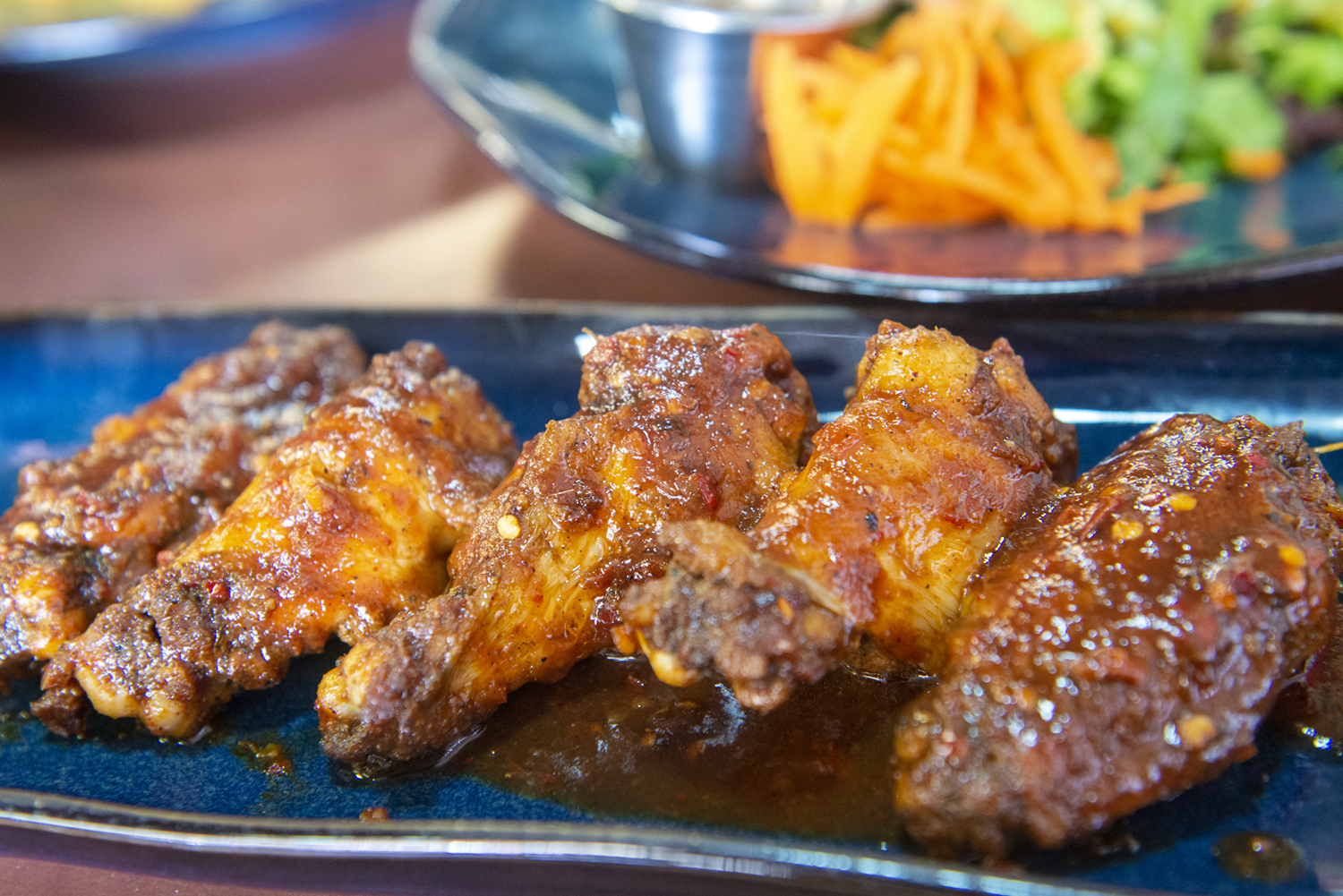
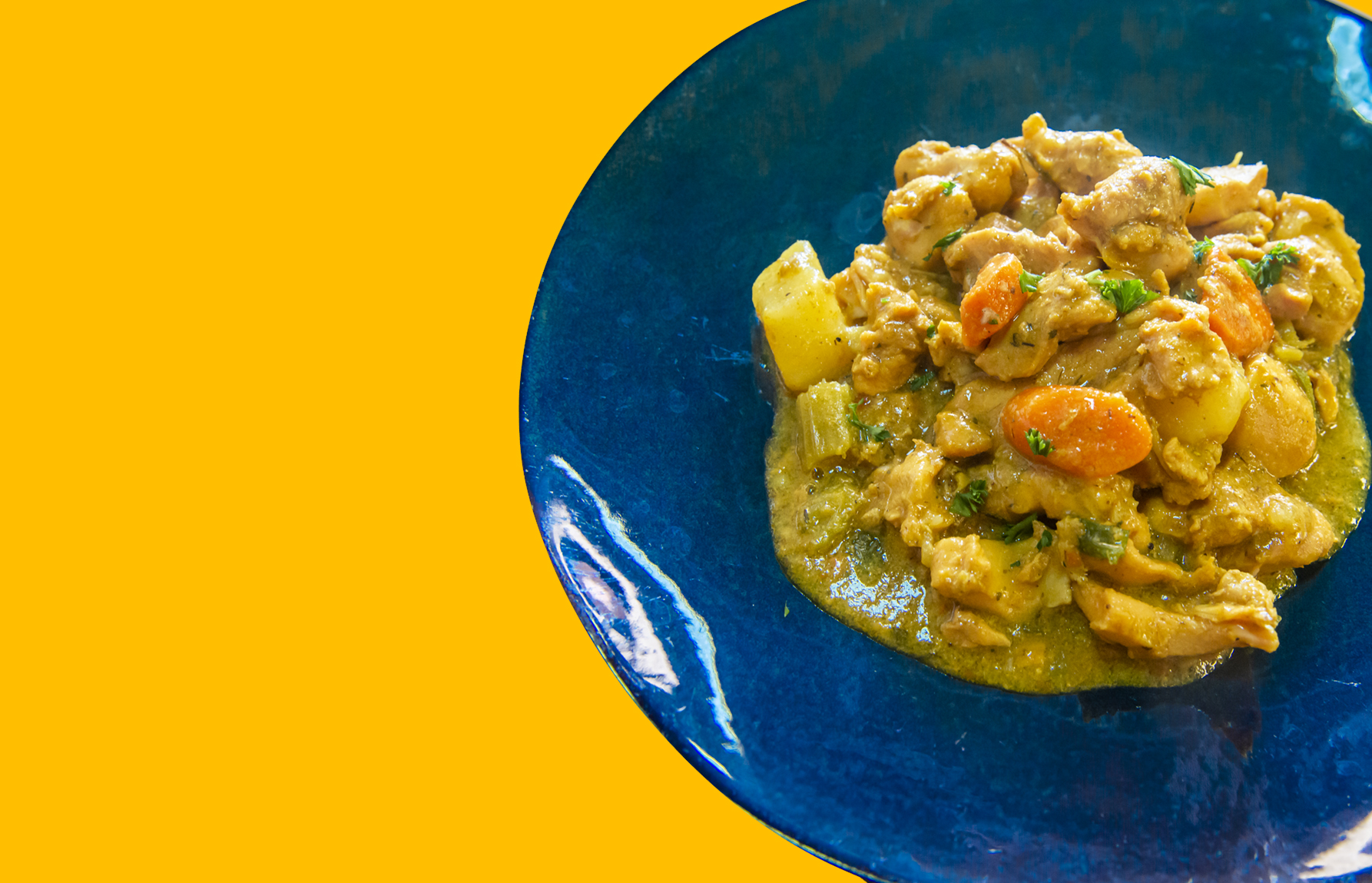
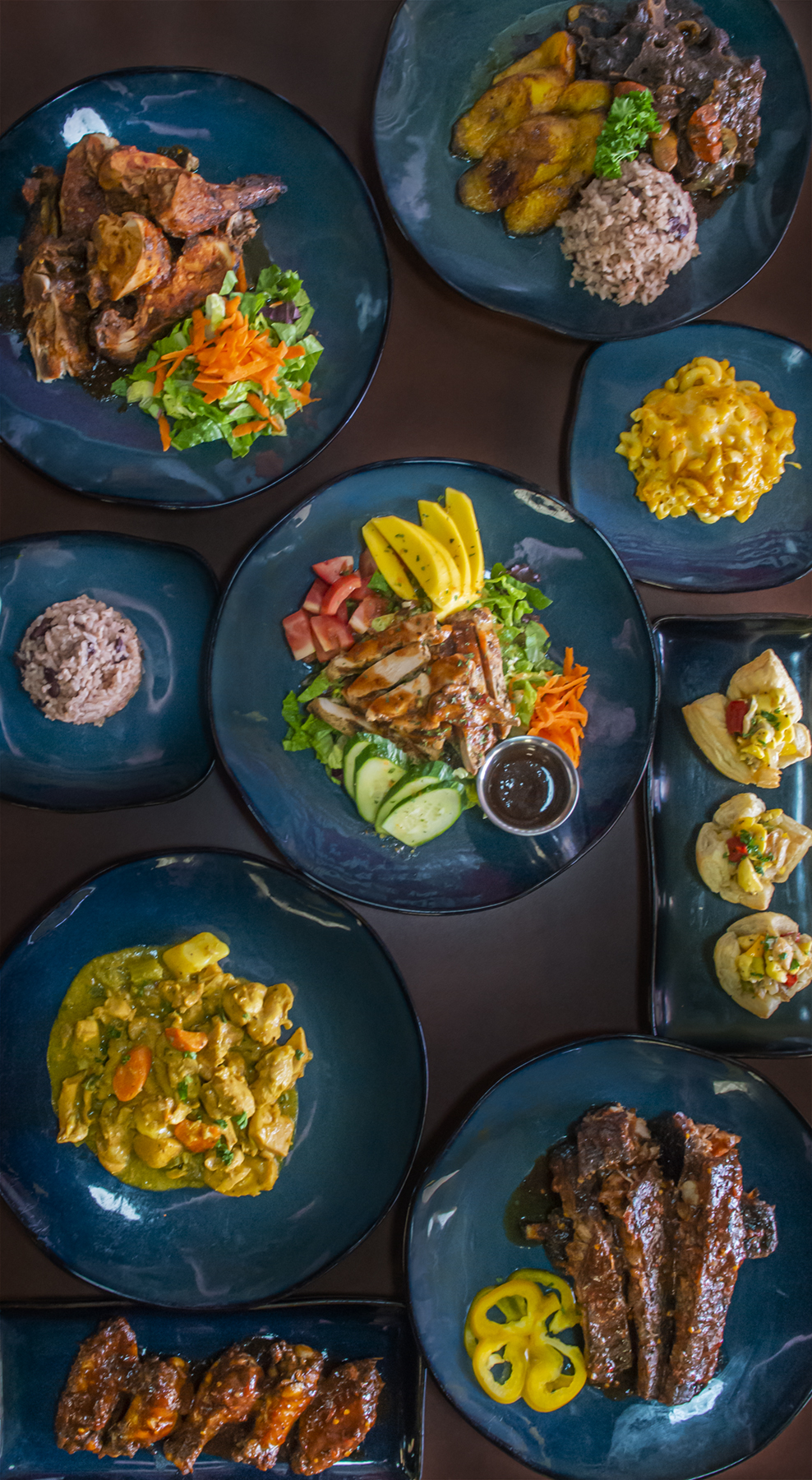
Denver is not the first American city people mention when they talk about great Caribbean cooking. That is part of the appeal. You have to work a little harder here. The best plates are rarely attached to flashy dining rooms, and they almost never rely on trend-driven marketing. They show up in compact storefronts, neighborhood counters, food trucks with a loyal following, and family-run kitchens that have built reputations one regular at a time.
For anyone chasing real Jamaican food in Denver, that hunt can be rewarding in a very specific way. The city’s Jamaican spots tend to feel personal. You notice it in the seasoning, in the way rice and peas are treated as more than a side, and in whether the cook respects the balance between heat, smoke, sweetness, and savory depth. You also notice it in the conversation across the counter. Good Jamaican cooking rarely arrives as a generic “island” concept. It carries the cook’s habits, memory, and standards.
Denver’s altitude, climate, and food culture create their own challenges. Some ingredients can be harder to source consistently. Fresh Scotch bonnet peppers, proper coco bread, callaloo, breadfruit, sorrel, and ackee are not always available at the same quality or price that you might find in South Florida, New York, or London. Even so, the strongest kitchens know how to preserve the core character of the cuisine. They do not dilute the food into something vague and sweet just to broaden the audience.
That matters, because Jamaican food rewards precision. Jerk is not simply “spicy grilled meat.” Curry goat is not just stewed meat with curry powder. Oxtail should not be a bowl of salt and gravy. When these dishes are made well, each one has a distinct profile rooted in time, technique, and confidence.
What makes a Jamaican spot worth seeking out
Before getting into where Denver shines, it helps to know what separates a memorable Jamaican meal from one that merely checks a box. I have eaten enough rushed versions of jerk chicken to know the common shortcuts. The meat gets grilled without a proper marinade. The allspice is faint. The thyme barely registers. There is heat, but no layered flavor underneath it. The smoke is there, but the character is not.
A good Jamaican kitchen usually gets a few fundamentals right. First, the seasoning penetrates the meat. Chicken should taste seasoned all the way through, not just on the surface. Second, the sides support the main dish rather than filling plate space. Rice and peas should carry the perfume of coconut milk, scallion, thyme, and often pimento. Cabbage should keep some bite. Fried plantains should be caramelized, not limp and oily. Third, the sauces and gravies need body. Brown stew should taste like it developed in the pot over time. Curry should feel rounded and warm, not dusty.
Denver’s best hidden treasures for Jamaican food fans tend to understand these fundamentals. They may not all execute every dish at the same level on every visit. Small operations can vary, especially when demand spikes or staffing gets tight. Still, the places worth returning to usually reveal themselves quickly. The aroma in the room tells you something. So does the color of the jerk, the tenderness of the goat, or the care taken with a beef patty that could easily have been an afterthought.
The city’s Jamaican food scene is small, but it has character
The phrase “jamaican food denver” often brings up a modest list of names compared with larger food capitals. That can make the scene look thinner than it really is. Search results flatten restaurants into star ratings, delivery photos, and menu snippets. On the ground, the experience is richer. Some of Denver’s best Caribbean meals come from places that locals mention quietly, often with the tone of someone sharing a useful secret.
This is the kind of city where one excellent lunch special can build a following. A single tray of curry chicken, rice and peas, and cabbage can turn an office worker into a weekly regular. A late afternoon stop for patties and cocoa bread can become a routine for people who know the timing. A food truck parked in the right neighborhood can pull in homesick transplants, adventurous eaters, and construction crews all at once.
That mix is healthy. Jamaican cooking has broad appeal when people encounter the real thing. Even diners who arrive thinking they want only mild, familiar flavors often come around once they taste how balanced the cuisine can be. The heat is part of the experience, but it is not the entire experience. There is sweetness from browned onions and ripe plantains, herbal lift from thyme and scallion, warmth from allspice and ginger, richness from slow-cooked meat, and tang from sauces that wake everything up.
Jerk is the benchmark, but it is also the most misunderstood dish
If you want to judge a Jamaican kitchen in Denver, jerk is usually where you start. It is also where many kitchens struggle, because proper jerk asks for patience and a point of view. You need a marinade or seasoning paste with backbone. You need allspice, thyme, garlic, ginger, scallion, and serious chile character. You need smoke. Ideally, you need time for the seasoning to settle into the meat before cooking.
In Denver, where weather and equipment realities do not always favor traditional outdoor setups, some restaurants adapt. That is reasonable. Not every kitchen can build a full jerk pan operation. The best ones compensate with deeply seasoned meat and smart use of char. The weaker ones produce chicken that is simply grilled and spicy.
When you find a place that gets jerk right, the whole plate usually falls into place. The chicken arrives with dark edges, juicy meat, and a fragrance that keeps opening up after the first bite. The rice and peas absorb some of the juices. A side of cabbage provides contrast rather than dead weight. Hot sauce feels optional, not mandatory.
That distinction matters because diners often blame themselves when a jerk plate falls flat. They assume maybe they “just do not like jerk.” Usually the problem is execution. Proper jerk should be vivid and memorable even when it is fiery. It should not read as one-note heat.
The dishes that reveal a kitchen’s standards
Jerk draws attention, but slower dishes tell you more. Oxtail, curry goat, brown stew chicken, escovitch fish, and patties expose how much a kitchen cares about process. These dishes cannot hide behind a grill mark.
Oxtail is especially revealing. Good oxtail in Denver should be tender enough to pull apart without turning mushy. The gravy should be glossy and rich, with enough reduction to coat rice, but not so heavy that it tastes muddied or oversalted. Beans are common in the braise, and when they are handled well, they contribute texture and savoriness without overwhelming the meat.
Curry goat is another useful test. Goat needs time, and curry needs bloom. If the goat is tough, the kitchen rushed it. If the spice blend tastes raw or flat, the pot never developed properly. When it works, curry goat lands with warmth and depth that stay with you. It should have structure, not just spice.
Patties deserve more respect than they often get. In many cities they are treated like a quick snack and little else, but a very good patty says a lot about the operation. The crust should have flake and color. The filling should be assertively seasoned and moist. Beef is the default for many people, but chicken and vegetable versions can be excellent when the seasoning remains sharp. A stale patty sitting in a warmer tells you one story. A fresh, fragrant patty with a proper crust tells another.
If a restaurant offers escovitch fish, pay attention. This dish can be a standout when the fish is fried cleanly and topped with bright, vinegary vegetables that still taste alive. In landlocked cities, fish quality and timing are always worth considering, so it is one of those dishes best ordered when the kitchen seems fully in rhythm. Midday on a quiet Tuesday may not be the same as a busy Friday dinner service.
Hidden treasures are often hidden for practical reasons
There is a tendency to romanticize “hidden gems,” but in Denver, many Jamaican spots are hidden for ordinary business reasons. They may sit in low-visibility retail strips with affordable rent. They may serve several Caribbean traditions at once because that broadens the customer base. They may keep modest hours because family labor and supply realities shape the schedule. Some places do brisk takeout business and look quiet inside, which can fool first-time diners into thinking they have stumbled onto something uncertain.
Often, those are the places worth a closer look.
I have learned to ignore superficial cues that matter more in trendier dining categories. Sparse decor does not bother me if the food has confidence. A handwritten special on the wall can be a promising sign. So can a steam table holding dishes that clearly move fast. If you see locals coming in for one specific item, ask what they ordered. That is often more useful than scrolling through dozens of delivery app photos taken under bad lighting.
Denver’s Jamaican kitchens also reward repeat visits. Some dishes show best on particular days. Some cooks have a stronger hand with braises than with fried items. Some places nail lunch but slow down at dinner. A single visit can tell you a lot, but not everything. When I find a place with strong seasoning and honest cooking, I like to try three or four core dishes over time before forming a final opinion.
Where Denver tends to shine
The strongest Jamaican food in Denver usually excels in a few areas. Portion value is one. Compared with many contemporary fast-casual meals, Jamaican plates often offer serious substance. Rice and peas, cabbage, plantains, and a generous protein can make for a satisfying lunch and leftovers. That is not a small thing in a city where dining out can get expensive quickly.
The second strength is comfort. Jamaican food holds up well in takeout form when it is packed properly. Braises travel beautifully. Rice and peas settle in. Patties are portable by nature. That makes the cuisine a good fit for Denver’s eating habits, where many people grab meals between work, errands, and long drives across town.
The third strength is hospitality. Family-run Jamaican restaurants often bring a directness that I appreciate. They may not perform service in the polished, scripted style of upscale dining rooms, but they will usually steer you honestly. If the oxtail is especially good that day, they will say so. If something has sold out, they will not try to dress it up. There is a practical generosity in those exchanges that regulars value.
What first-time diners should order
If you are exploring jamaican food denver for the first time, a smart first order can save you from a fuzzy impression of the cuisine. I would start here:
- Jerk chicken with rice and peas, cabbage, and plantains.
- Curry goat if the restaurant is known for stews or braises.
- Oxtail when you want the kitchen’s most labor-intensive dish.
- A beef patty, ideally fresh and still flaky.
- A house drink or dessert if available, especially sorrel or rum cake.
That combination gives you range. You get the smoke and spice of jerk, the slow depth of curry or braise, the benchmark snack item, and at least one clue about how the kitchen handles sweetness and spice beyond the main plate.
A few trade-offs are worth understanding
Not every Denver Jamaican restaurant will satisfy every kind of eater. Some prioritize authenticity of flavor over broad accessibility, which can mean serious heat levels and less customization. Others make practical adjustments to attract a wider audience, which can soften the edge of certain dishes. Neither approach is automatically wrong. It depends on what you are after.
There is also the question of consistency. Smaller independent restaurants often deal with fluctuating ingredient supply and staffing. One week the jerk may be perfect, the next week slightly drier. A lunch rush can leave patties fresher than a late afternoon lull, or the reverse, depending on the setup. It is useful to judge with some context rather than expecting machine-level uniformity from a family-run kitchen.
Altitude can influence cooking in subtle ways too. Braises generally adapt well, but frying and grilling can shift with weather, humidity, and equipment conditions. Denver cooks who manage to turn out juicy jerk and cleanly fried fish across seasons deserve credit. That is not an excuse for weak execution, but it is part of the operating environment.
Finding the real standouts takes a better strategy than search alone
A lot of people begin with maps and review apps, which makes sense. The problem is that Jamaican food can get flattened by generic reviewing habits. Someone who wanted “less spice” may leave a lower rating even when the kitchen delivered a faithful dish. Another diner may praise huge portions while saying nothing useful about seasoning or texture.
The better approach is to read carefully and triangulate. Look for repeated comments about specific dishes, especially oxtail, jerk, curry goat, patties, and rice and peas. Note whether Caribbean diners, transplanted New Yorkers, or Jamaican customers mention the place with respect. Those voices tend to notice the details that matter.
Timing also helps. Ask when patties come out fresh. Ask whether a certain special appears only on weekends. If a restaurant has both dine-in and takeout traffic, lunch can be a strong window because turnover is faster and the kitchen cadence is often tighter. If a place runs out of favorites early, that can be frustrating, but it is often better than seeing everything available until closing because nothing moved.
What to drink, and what not to overlook
People often focus so hard on the mains that they miss some of the pleasures around the edges. Jamaican drinks can change the meal. A good sorrel has tartness, spice, and color that cut through rich food beautifully. Ginger beer, whether house-made or carefully chosen, works with jerk in a way that soda rarely does. Even a simple fruit juice can soften heat while keeping the meal in balance.
Dessert is easy to skip, especially after a generous plate, but rum https://ameblo.jp/troyiljd525/entry-12979667968.html cake and sweet breads have their place. They are not always elaborate, yet they carry the same appeal as the savory food when made well: warmth, spice, and a sense of tradition rather than performance.
Coco bread is another item I wish more Denver diners treated as essential. Paired with a patty, it becomes a meal with texture and comfort built in. Soft bread and flaky crust, spicy filling and mellow crumb, it is one of those combinations that feels obvious after the first time you try it.
How locals can support the scene
Denver’s Jamaican food culture will only deepen if diners support the independent operators doing the work. That support is not complicated, but it does matter.
First, order beyond the safest item once you trust a kitchen. Jerk chicken keeps the lights on, but slower dishes and specials reveal the restaurant’s full voice. Second, pay attention to house specialties rather than forcing substitutions that turn the plate into something else. Third, if you have a great meal, tell people in a way that is actually useful. Mention the dish, the texture, the seasoning, and when you went. “So good” helps less than “the curry goat was tender, fragrant, and worth the drive.”
A healthy scene is built on informed regulars, not just curious first-timers. Jamaican restaurants often become neighborhood anchors when enough people understand what they do well and show up consistently.
The pleasure of discovering a place that gets it right
There is a particular satisfaction in finding a Jamaican restaurant in Denver that feels rooted rather than imitative. You taste it immediately. The jerk has soul. The gravy has patience. The sides are not filler. The room may be simple, the service may be brisk, the menu may be compact, but the food knows exactly what it is.
That is why Denver’s hidden treasures matter. They remind you that great regional and diasporic cooking does not need hype to be important. It needs cooks with standards, ingredients treated with respect, and diners willing to notice the difference.
For Jamaican food fans, Denver rewards curiosity. The scene is not huge, and that is fine. What it offers instead is intimacy and character. You may drive past the best meal of the week without realizing it. Then one day you stop, order the jerk or the oxtail, crack open a flaky patty while you wait, and understand why the regulars keep coming back.
Reggae Pot Jamaican Grill
Address: 2243 S Monaco St Pkwy #104, Denver, CO 80222
Phone number: +17204102956
FAQ About Jamaican Food Denver
What is typical Jamaican food?
Typical Jamaican food features bold, vibrant flavors created by blending African, Taino, European, and Asian influences.
What is a famous Jamaican dish?
Ackee and saltfish is Jamaica's national dish, made by sautéing the soft local ackee fruit with salted cod, onions, tomatoes, and spicy Scotch bonnet peppers.
What food is most popular in Jamaica?
The most popular and famous food in Jamaica is Jerk Chicken, celebrated worldwide for its smoky, spicy flavor.