Entry · Ref EIASYMYU
Fast, Fresh, and Fiery: Drunken Noodles Explained
- Posted
- 2026-09-25
- Last amended
- 2026-09-25
- Account
- @griffinimhw969
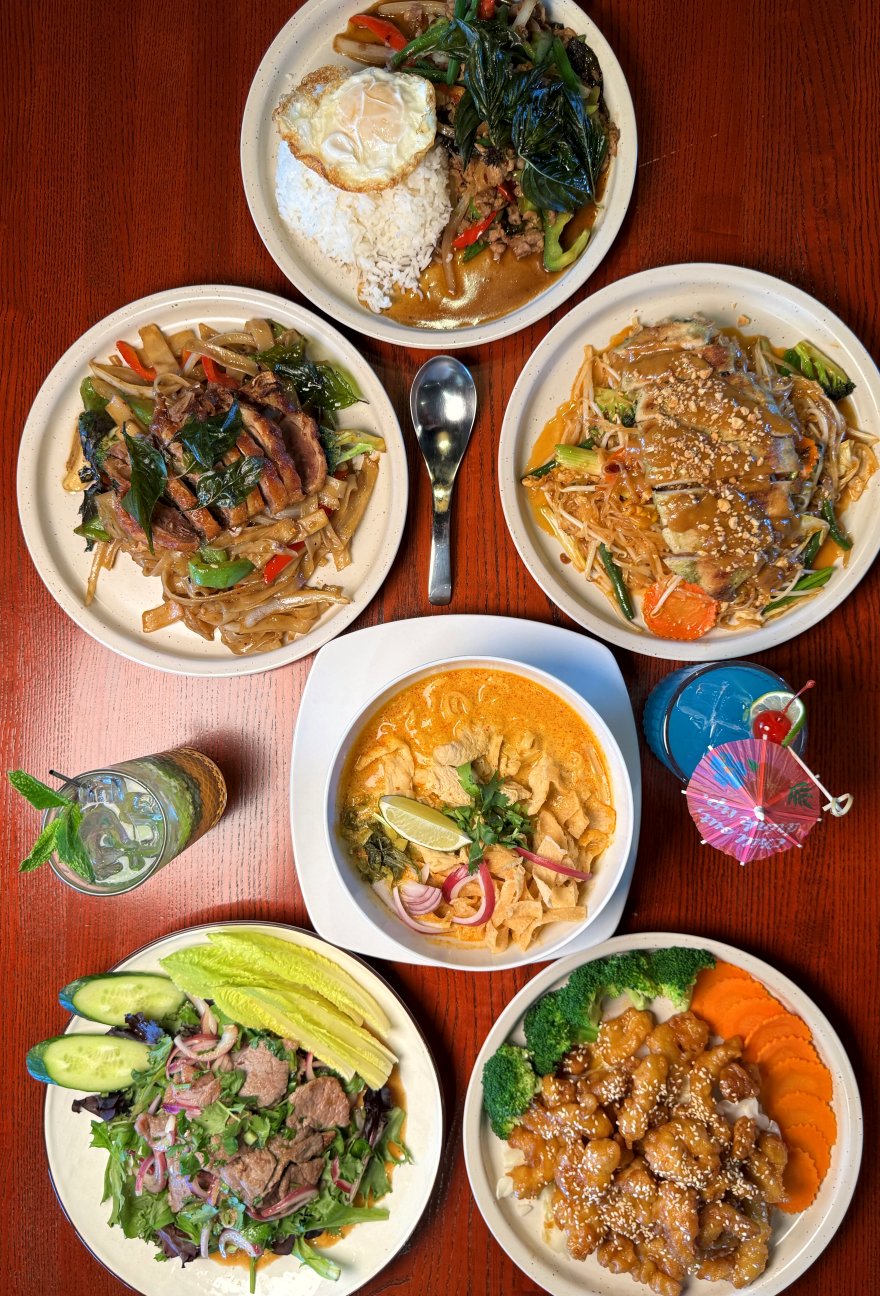
Few dishes announce themselves as boldly as Drunken Noodles. The first thing you notice is usually the aroma, hot oil carrying garlic, chile, and holy basil into the room before the plate even lands. Then come the noodles, glossy and tangled, edged with char from a ripping-hot pan, slicked with a sauce that is salty, sweet, savory, and just sharp enough to keep the next bite from feeling heavy. It is the kind of food that tastes fast, even when it is carefully made.
Drunken Noodles, often known by the Thai name pad kee mao, sit in that sweet spot between street food and comfort food. They are casual enough to eat from a takeout carton at the kitchen counter, but nuanced enough that one wrong move in the pan can flatten the whole dish. Good Drunken Noodles feel loose and alive. Bad ones turn gummy, oily, or one-dimensionally spicy. The difference usually comes down to heat, timing, and a clear understanding of what the dish is supposed to be.
For cooks and diners outside Thailand, the name can be misleading. People often assume alcohol is the defining ingredient, or that the noodles somehow taste boozy. In practice, that is rarely the point. The dish is more about intensity than intoxication, more about heat and fragrance than novelty. Once you understand that, Drunken Noodles start to make perfect sense.
What Drunken Noodles actually are
At its core, Drunken Noodles is a Thai stir-fried noodle dish built around broad rice noodles, a dark, assertive sauce, fresh chiles, garlic, vegetables, and basil, usually holy basil when available. It is commonly cooked with chicken, pork, beef, shrimp, squid, tofu, or some combination, depending on the kitchen and the customer. The texture matters as much as the flavor. The noodles should stay soft and chewy, not mushy. The vegetables should keep a little snap. The sauce should cling rather than pool.
This is not a delicate noodle dish. It is meant to hit hard and fast. The salty depth often comes from soy-based seasonings and fish sauce. The sweetness is restrained, just enough to round the edges. The heat should feel direct, but not punishing. And the basil, especially holy basil, gives the dish its lift. Without it, the plate can taste merely heavy and spicy. With it, everything opens up.
One of the easiest ways to recognize a strong version is by the wok character. In restaurant kitchens with proper burners, the ingredients pick up a touch of smokiness and char that home stoves struggle to replicate. That does not mean home-cooked Drunken Noodles cannot be excellent. It simply means that the best versions understand how to fake intensity through smart sequencing, dry ingredients, and small batches.
Why the name causes so much confusion
The phrase “Drunken Noodles” has inspired all kinds of theories. Some say the dish is called that because it pairs well with beer after a night out. Others argue it is so spicy that it sobers you up. Another story suggests it was created by someone cooking while drunk, throwing together whatever was available. None of these explanations is universally accepted, and that uncertainty is part of the dish’s charm.
What matters more than the legend is the expectation the name creates. Diners often order it thinking it will be a Thai version of noodle comfort food with a little heat. Then the plate arrives loaded with bird’s eye chiles, garlic, and basil, and the experience is far more aggressive than expected. In many Thai restaurants outside Thailand, the dish has been adapted to local tastes, so one version may be deeply spicy and herbaceous while another is sweeter, darker, and milder. Both may be sold under the same name.
That gap between expectation and reality is why Drunken Noodles are so often misunderstood. They are not just “Pad Thai but spicy.” They are not simply “flat noodles in brown sauce.” A well-made plate has a very specific energy, something closer to controlled chaos than balance in the polite sense. Every component speaks up.
The noodles make the dish
If there is one ingredient that defines Drunken Noodles, it is the noodle itself. Wide rice noodles, often sold fresh, are the classic choice. Their size gives the sauce room to coat and the pan room to create contrast between soft centers and lightly seared edges. Thin noodles disappear under the sauce. Egg noodles push the dish in a completely different direction. Fresh wide rice noodles are ideal because they are pliable, tender, and quick to finish in the wok.
That said, fresh noodles are also unforgiving. If they are cold and compacted straight from the refrigerator, they tear. If they sit too long after separating, they dry at the edges. If they go into a crowded pan, they steam instead of fry. Experienced cooks usually warm and loosen them gently before stir-frying, often by hand. It is a small detail, but one that saves the texture.
Dried rice noodles can work in a pinch, especially where fresh ones are hard to find. The challenge is hydration. Most disappointing home versions happen because the noodles are soaked or boiled too far, then finished in sauce until they cross the line from supple to limp. The goal is to stop short of fully tender before they hit the wok. They need enough structure to absorb flavor without collapsing.
There is also a regional and practical reality worth acknowledging. Many restaurants outside Thailand use whatever broad rice noodle is consistently available, and that can produce variations in width, chew, and starchiness. A noodle that performs beautifully in a Bangkok street stall may be impossible to source in a suburban market. Good cooks adjust the heat, sauce quantity, and toss time to suit what they can buy.
Sauce, heat, and the basil problem
The sauce in Drunken Noodles is often described too simply. People call it savory or spicy, but the better word is layered. Salty ingredients do the heavy lifting, usually soy-based seasonings and fish sauce. A little sugar rounds that salt. Oyster sauce often contributes gloss and body. Some kitchens add a touch of white pepper. Others lean harder on dark soy for color. No single formula defines the dish everywhere, but the intention stays consistent. The sauce should deepen the noodles without drowning them.
Heat is another point where quality shows. Dumping in chile paste or a random spoonful of bottled hot sauce gives you spice, but not character. Fresh chiles, smashed or sliced, release heat in stages. First there is the immediate burn, then the green, fruity sharpness, then the lingering warmth that sits on the lips. That matters because Drunken Noodles are not supposed to taste generically hot. They should taste alive.
Then there is basil, which is where many restaurant versions lose their way. Thai holy basil is the traditional anchor in many versions of pad kee mao, and it tastes different from sweet Italian basil. Holy basil has a peppery, clove-like edge and a more assertive aroma. Thai basil, with its anise note, is a more common substitute and can still produce a very good dish. Italian basil can work in an emergency, but it changes the profile noticeably, softening the dish and making it feel less sharp.
Cooks make substitutions because supply is real life. If you run a restaurant and holy basil arrives inconsistently or wilts too quickly, you adapt. The result may still be delicious, but it explains why one plate of Drunken Noodles tastes electrifying while another tastes merely pleasant.
What separates average from excellent
Drunken Noodles are quick by design, but speed alone does not make them good. In fact, rushing the wrong step can ruin them. The best versions come from a short chain of small decisions that respect the ingredients and the pan.
A strong plate usually gets these things right:
- The wok or pan is hot enough to sear rather than steam.
- The noodles are loosened before cooking, not hacked apart mid-stir-fry.
- The sauce is measured and restrained, so the noodles stay glossy instead of soupy.
- The vegetables are cooked just long enough to soften at the edges while keeping some bite.
- The basil goes in at the end, where the residual heat perfumes it instead of cooking it flat.
Those points sound technical, but they are really sensory. You can hear when the pan is hot enough. You can feel whether the noodles are sticking or gliding. You can smell when the garlic is golden and when it has tipped into bitterness. In a professional kitchen, these cues become instinctive. At home, they come from repetition and from not crowding the pan.
One issue I see often in home kitchens is sauce compensation. If the noodles seem bland, cooks add more liquid. That usually makes things worse. More sauce cools the pan, promotes sticking, and turns the texture gummy. The smarter move is usually more heat, a touch more fish sauce, or a handful of basil added at the right moment.
Drunken Noodles versus Pad See Ew and Pad Thai
People regularly compare Drunken Noodles with other popular Thai noodle dishes, which makes sense because they often share ingredients. The differences, though, are meaningful.
Pad Thai is built around tamarind brightness, peanuts, and a lighter, more overtly sweet-sour profile. It is highly recognizable and generally more approachable to broad audiences. Pad See Ew also uses wide rice noodles, but it tends to be milder, sweeter, and more soy-forward, with Chinese broccoli and less chile heat. Drunken Noodles land in a more unruly zone. They are usually spicier than Pad See Ew, less sweet than many Pad Thai versions, and more aggressively aromatic because of the basil and fresh chiles.
Texture also separates them. Pad Thai often aims for springiness and contrast from toppings. Pad See Ew focuses on caramelized noodle surfaces and a softer, comforting feel. Drunken Noodles should feel a bit wilder, with edges of char, bursts of basil, and sauce that clings in uneven, appetizing ways. If the dish feels too neat, it often tastes too tame.
That does not make Drunken Noodles “better.” It makes them specific. They satisfy a craving for heat and savory depth in a way the others do not.
How restaurants adapt the dish
There is no single global standard for Drunken Noodles, and restaurant versions vary more than many diners realize. Some lean sweet because local customers expect Thai takeout to have a glossy, sweet-savory finish. Some tone down the chiles because a true Thai spice level would trigger a flood of complaints. Some bulk up the plate with broccoli, bell peppers, carrots, baby corn, or onions because customers expect visible vegetables for the price.
These choices are not automatically wrong. They are business decisions, ingredient decisions, and sometimes survival decisions. A busy lunch service needs consistency. A neighborhood restaurant may have to hit a specific price point. A market may not carry holy basil year-round. The result is that “Drunken Noodles” on one menu may bear only a family resemblance to “Drunken Noodles” on another.
The best restaurant versions, even adapted ones, usually protect three things: broad noodles with some chew, a sauce with real savory depth, and a final aromatic hit of basil and chile. Once those disappear, the dish drifts into generic stir-fried noodles territory.
Cooking Drunken Noodles at home without fooling yourself
Home cooks sometimes assume this is an easy weeknight dish because the ingredient list is short and the cook time is brief. It is weeknight-friendly, but only if the prep is done before the burner turns on. Once the pan is hot, you have very little time to improvise. This is one of those dishes that rewards mise en place in the old-fashioned, practical sense, not in a precious culinary-school sense.
If you want restaurant-style results at home, work in smaller portions than you think you need. One large skillet overloaded with noodles, meat, vegetables, and sauce will steam itself into mediocrity. Two faster batches usually taste better than one crowded one. Dry your proteins well. Separate the noodles gently. Keep the sauce mixed and within reach. And accept that your stove may not give you true wok hei. You can still build flavor through concentration and timing.
A few ingredients deserve extra attention. Garlic should be fresh and used generously. Chiles should suit your tolerance, but blanding them down too much changes the identity of the dish. Vegetables should be chosen for speed and contrast. Onion, long beans, bell pepper, Chinese broccoli, and baby corn all show up in different kitchens. There is no law here, but there is judgment. Watery vegetables dilute the pan. Delicate greens vanish too quickly. Dense vegetables require precooking and disrupt the pace.
Protein is more flexible than people think. Chicken is common because it is economical and takes seasoning well. Beef delivers richness, especially when sliced thin enough to cook fast. Shrimp and squid can be outstanding, but they overcook in seconds and are best handled by someone comfortable with high heat. Tofu works beautifully if it is well-browned first. A mixed seafood Drunken Noodles can be excellent, but it raises the margin for error because the pan temperature drops quickly.
Common mistakes that flatten the flavor
Even a decent recipe can fail in the pan, and Drunken Noodles are especially sensitive to execution. The most common mistakes are not exotic. They are the kind that happen when cooking after work, hungry and distracted.
Here are the usual culprits:
- Starting with wet noodles or wet vegetables, which causes steaming.
- Using too much sauce, which turns the dish heavy and sticky.
- Cooking over medium heat out of caution, which prevents browning.
- Adding basil too early, so its aroma disappears into the sauce.
- Letting the finished dish sit too long, which makes the noodles clump.
The last point gets less attention than it should. Drunken Noodles are at their peak almost immediately after cooking. Ten minutes later, they can still be good. Thirty minutes later, especially in a closed takeout container, the texture has changed. The noodles tighten, the basil dulls, and the sauce settles. This is a dish built for immediacy.
That is also why leftovers are tricky. Reheating tends to overcook the noodles while failing to restore the fresh basil aroma. If you must save some, the best approach is a very quick reheat in a hot pan, not a microwave marathon. Even then, it will be a shadow of the first bowl.
Why the dish keeps winning people over
For all its variability, Drunken Noodles have a staying power that many trendier dishes do not. Part of that comes from the balance between familiarity and excitement. Noodles are comforting almost everywhere. Garlic and chile speak a global language. Basil adds freshness that keeps the dish from feeling monotonous. It is a plate that offers instant gratification while still rewarding a more attentive palate.
There is also something deeply practical about it. This is not luxury cooking. It is high-impact cooking. It takes humble ingredients and turns them into something vivid through heat, timing, and confidence. That kind of dish tends to endure because it fits real life. You can eat it late at night, after work, with friends, or alone over the stove. It feels generous without being fussy.
From a cook’s perspective, it is also satisfying because there is nowhere to hide. The technique is exposed. If the noodles are overcooked, everyone can tell. If the pan was not hot enough, the dish tastes dull. If the basil was old, the finish falls flat. But when it works, it feels greater than the sum of simple parts. That is the pleasure of a good stir-fry in any cuisine, and Drunken Noodles deliver that pleasure with uncommon force.
The final read on Drunken Noodles
Drunken Noodles deserve their popularity, but they also deserve to be understood on their own terms. They are not just a spicy menu default. They are a dish defined by broad rice noodles, concentrated savory sauce, fresh chile heat, and the unmistakable perfume of basil meeting a hot pan. Their appeal lies in contrast, soft noodles and crisp vegetables, sweet notes and salty depth, quick cooking and big flavor.
If you order them often, pay attention to the details from place to place. Notice the noodle texture, the kind of basil, the level of char, the balance of sauce, the sharpness of the chile. Those differences tell you a lot about the kitchen. If you cook them at home, respect the pace of the dish. https://gregoryjfvt482.summitquill.com/posts/why-homemade-drunken-noodles-beat-delivery Prep thoroughly, cook hot, and serve immediately.
When Drunken Noodles are done well, they taste exactly as the name suggests, not boozy, but slightly reckless in the best possible way. Fast. Fresh. Fiery. And memorable long after the plate is clean.
Nakhon Luang Thai Kitchen
Address: 805 Village Center Dr, Colorado Springs, CO 80919
Phone number: +17195315175
FAQ About Drunken Noodles
What makes it drunken noodles?
Drunken noodles, or Pad Kee Mao, get their name from the Thai word khi mao (meaning "drunkard"). They contain no alcohol. The name comes from the idea that the dish is a popular late-night meal to cure a hangover or a great food to eat with a cold beer.
What is the difference between pad see ew and drunken noodles?
While both Pad See Ew and Drunken Noodles use the same wide rice noodles, Pad See Ew is a mild, sweet-savory dish made with dark soy sauce and Chinese broccoli, whereas Drunken Noodles (Pad Kee Mao) are fiery, garlicky, and herbaceous with fresh chilies and Thai basil.
What are traditional drunken noodles?
Traditional drunken noodles, known as Pad Kee Mao in Thai, are a fiery, savory street food stir-fry made with wide flat rice noodles, fresh garlic, lots of hot chilies, meat or tofu, and fragrant holy basil. Despite the name, they contain no alcohol; the dish is traditionally eaten late at night or as a hangover cure because the intense spice helps clear the head.