Entry · Ref VVHCJGHX
How to Find Authentic Jamaican Food in Denver
- Posted
- 2026-09-24
- Last amended
- 2026-09-24
- Account
- @griffinimhw969
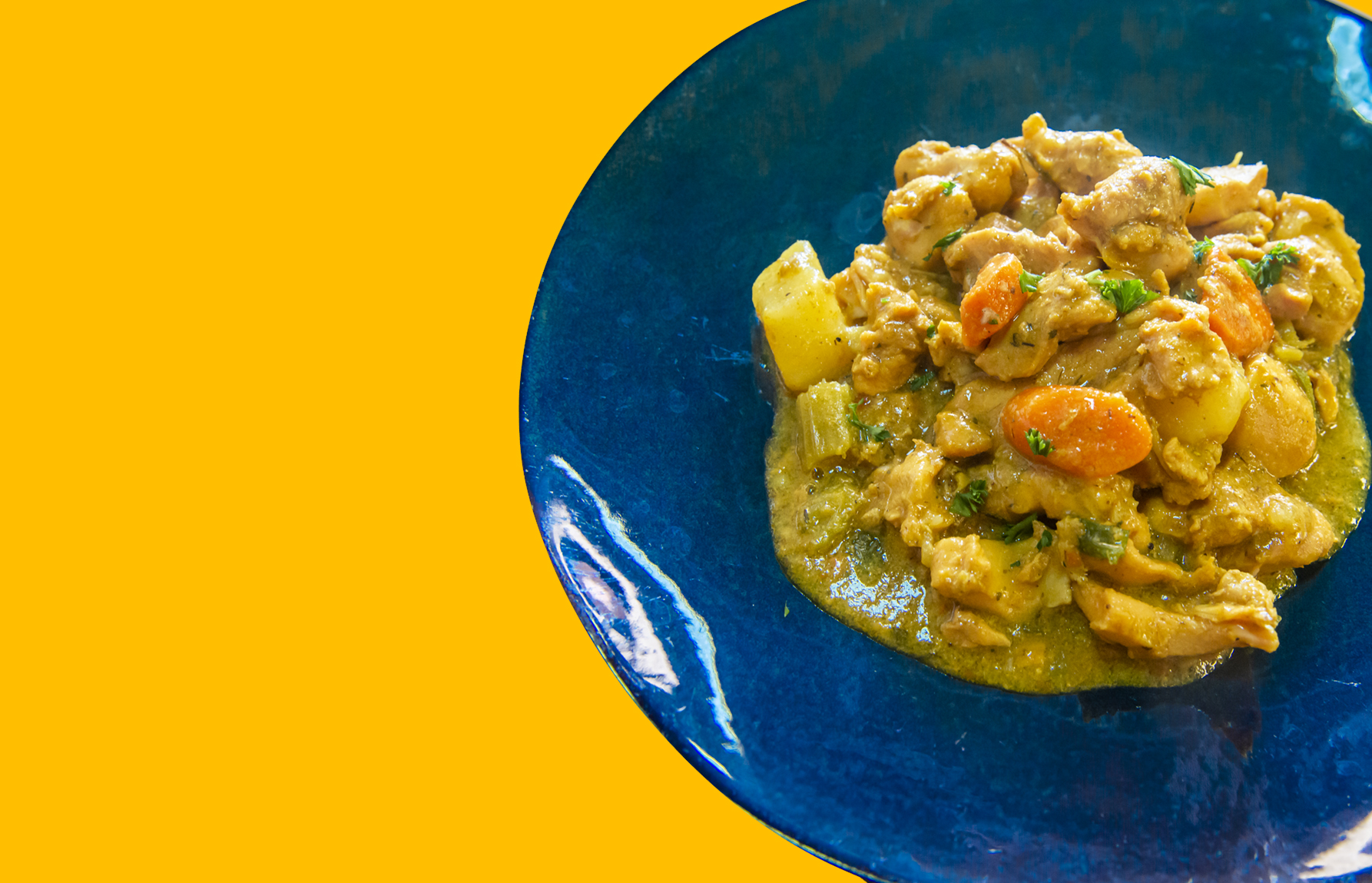
Finding authentic Jamaican food in Denver takes a little more effort than finding tacos, pho, or green chile, but the search is worth it. When you land in the right place, the food carries a kind of confidence that is hard to fake. You taste it in the deep allspice note in the jerk marinade, the slow-cooked tenderness of oxtail, the earthy warmth of curry goat, and the way rice and peas arrive as a full partner to the plate, not a bland afterthought.
Denver is not a Caribbean food capital, so expectations matter. You are not walking into a neighborhood with a Jamaican restaurant on every corner. What you do have is a smaller, more scattered scene that rewards patience. Some of the best meals come from modest storefronts, family-run counters, caterers with limited hours, or food trucks whose schedule changes week to week. If you approach the search like a local eater rather than a trend chaser, you can find food that tastes grounded, personal, and true to the island traditions that inspired it.
The challenge with searching for jamaican food denver diners can trust is that online results often flatten everything into the same category. A place might market itself as Caribbean, island, or tropical, but the cooking can range from carefully traditional to broadly fusion-driven. Neither approach is automatically bad. The question is what you are actually looking for. If your goal is authenticity, you need to know what signals to watch for before you ever sit down with a plate.
Start with the menu, not the branding
A lot of people begin by scanning photos or judging a restaurant by its decor. That is backwards. Menus reveal far more than murals, palm graphics, or reggae playlists.
An authentic Jamaican menu does not have to be huge. In fact, many of the strongest kitchens keep it fairly tight because the food requires time, labor, and consistency. Jerk chicken, curry goat, oxtail, brown stew chicken, escovitch fish, patties, rice and peas, cabbage, fried plantains, coco bread, and festival are all good signs. Ackee and saltfish, callaloo, soup on certain days, or porridge at breakfast are even better signs, though those dishes are harder to find consistently in Denver.
What matters is not whether every famous Jamaican dish appears at once. What matters is whether the offerings make culinary sense together. A restaurant that serves jerk chicken next to random pan-Caribbean or generic American bar food may still make excellent jerk, but it may not be a place centered on Jamaican cooking. On the other hand, a smaller menu with a few deeply familiar staples often points to a kitchen cooking from memory and routine rather than trend.
Watch the sides. Rice and peas should mean rice cooked with beans, coconut milk, herbs, and seasoning, not plain white rice with beans spooned over the top. Cabbage should have some life to it. Plantains should be caramelized and soft, not pale and underdone. A good side dish tells you the kitchen respects the whole plate.
What authenticity actually tastes like
People talk about authentic food as if it is a fixed target. It is not. Jamaican cooking varies by parish, family, migration history, and budget. One cook leans heavier on thyme, another on scallion, another on Scotch bonnet heat. Some make their curry richer and darker. Some jerk skews smokier, others sweeter. Authenticity is less about one official flavor and more about whether the food feels rooted in recognizable Jamaican techniques, ingredients, and balance.
Jerk is a good example. Real jerk is not just spicy grilled chicken. It should carry layers of allspice, thyme, garlic, ginger, scallion, and chile, usually Scotch bonnet or something standing in for it when ingredient sourcing gets tricky. The heat should build, not just punch. The seasoning should have depth, and if the kitchen is serious, smoke will play a role too. In Denver, where outdoor cooking setups and health regulations can shape methods, not every spot will cook over pimento wood. That does not automatically make the jerk inauthentic. But it should still taste like more than barbecue sauce with pepper.
Oxtail offers another useful benchmark. Good oxtail takes time. The meat should be richly braised, silky at the edges, and savory all the way through. The gravy matters as much as the meat. It should be glossy and concentrated, not watery or flour-heavy. If the beans in the gravy taste integrated rather than tossed in at the end, that is usually a sign of care.
Patties reveal a lot because they are deceptively simple. The crust should be flaky and lightly stained with turmeric or curry, not just standard pie dough. The filling, whether beef, chicken, or vegetable, should be assertively seasoned. A Jamaican patty is snack food, but it should still taste specific.
Denver rewards people who look beyond the polished dining districts
If you are only searching in the most photographed restaurant corridors, you may miss the best Jamaican cooking in town. Smaller immigrant-run businesses often settle in lower-profile strips where rent is manageable and repeat neighborhood traffic matters more than destination buzz. In Denver and the surrounding metro area, that can mean checking neighborhoods and adjacent cities where diverse small businesses cluster, then paying attention to who has built a loyal local following.
That following matters. A dining room filled with Caribbean customers is not the only marker of authenticity, but it is meaningful. So is a lunch rush that seems to know exactly what to order. One of the best signs I have seen, in Denver and elsewhere, is the customer who walks in, nods once, and asks whether the soup is on today. That kind of exchange tells you the place has regulars who trust the kitchen enough to eat what is cooking, not just what is trending online.
Denver’s geography also changes how you search. A restaurant may appear under a Denver search result while technically sitting in Aurora, Lakewood, or another nearby area. For practical purposes, that still counts if you are willing to drive twenty or thirty minutes for the right plate. When people search jamaican food denver, they often mean the whole metro dining ecosystem, not only addresses within city limits. Keeping that wider radius in mind will improve your odds immediately.
Questions worth asking before you order
If the menu leaves you unsure, a short conversation can save you from a disappointing meal. You do not need to interrogate the staff, and you definitely do not need to perform expertise. Just ask the kind of questions a curious diner would naturally ask.
A simple “What do people come back for?” often gets you a better answer than “What’s good?” Staff at family-run Caribbean spots usually know exactly which dishes represent the kitchen best that day. If the jerk has been sitting, they may steer you toward curry goat. If the oxtail sold out, they will tell you. If patties come in fresh only on certain days, they will mention it.
It is also fair to ask about spice level, side options, and whether a dish is made in-house. These details matter because a restaurant can still be worth your time even if one item is outsourced or toned down for a broader audience. Authenticity is not all or nothing. A place may use store-bought patties but make excellent brown stew chicken. Another may offer mild jerk for Denver diners but still produce superb rice and peas and cabbage. Good judgment means seeing the whole kitchen clearly.
Clues that usually point to the real thing
- A concise menu built around core dishes rather than a giant all-purpose Caribbean spread
- Sides that show care, especially rice and peas, cabbage, plantains, and gravy
- Daily specials or weekend dishes that regulars specifically ask for
- A seasoning profile with depth, heat, and herbs instead of one-note sweetness
- Evidence that food is cooked in batches over time, not assembled to order from generic components
None of these clues guarantees a memorable meal on their own. Together, they tell a reliable story.
Do not let presentation fool you
Some of the most authentic Jamaican food arrives in plain foam containers with gravy touching everything. That is not a flaw. It is often the point. The plate should feel generous, practical, and cohesive. Rice absorbs sauce. Plantains soften against the heat of the protein. Cabbage picks up seasoning from the steam trapped in the box. When people chase social-media-ready plating, they sometimes miss food that is truer to the culture that produced it.
This is especially relevant in Denver, where diners often encounter Caribbean food first through festival settings, brewery pop-ups, or crossover concepts. Those can be fun entry points, but they can also encourage a version of the cuisine that is visually bright yet culinarily diluted. Neon cocktails and tropical branding do not tell you much. The food does.
Portion size is another clue, though not an absolute one. Jamaican cooking, especially in casual settings, tends to be hearty. Oxtail is expensive, so portions vary, but even then the plate should feel substantial overall. If a restaurant charges premium prices for a tiny serving with underdeveloped sides, that usually reflects concept dining more than rooted Jamaican hospitality.
The difference between Jamaican and broadly Caribbean
This point trips people up all the time. Caribbean cuisine is not a single thing. Trinidadian doubles, Cuban ropa vieja, Haitian griot, Puerto Rican pernil, and Jamaican curry goat may share regional threads, but they are not interchangeable. A restaurant labeled Caribbean can be excellent and still not be especially Jamaican.
That matters when you are searching online. A spot may show up in results for jamaican food denver simply because it offers one jerk dish or tags itself broadly. Read carefully. Look for a menu shaped by Jamaican staples, not just a single recognizable keyword. If the restaurant is honest about being fusion or pan-Caribbean, appreciate it on those terms. Just do not confuse that with a dedicated Jamaican kitchen.
A related issue is spice expectation. Many Denver diners assume Jamaican food must always be intensely hot. Sometimes it is. Often it is not. Jamaican cooking is deeply seasoned, but heat and seasoning are not the same. Scotch bonnet brings fruit and aroma as well as burn. A dish can be authentic without setting your mouth on fire. If everything tastes only of chile, the kitchen may be oversimplifying.
Timing matters more than people think
Some cuisines travel best at any hour. Jamaican food often shines when it has had time to settle into itself. Midday and early evening are usually safer bets than the last hour before closing, especially for braises, patties, and prepared sides. A kitchen that cooks in batches can be spectacular at lunch and inconsistent late at night if the most popular dishes have been holding too long or sold out.
Weekend timing can matter too. In many Caribbean food businesses, weekends bring extra energy, larger prep runs, and dishes not offered every day. If a place serves soup, fish, or breakfast specialties only on Saturday, that may be the ideal time to visit. Ask. There is no substitute for learning a shop’s rhythm.
I have also found that a second visit often clarifies a place. The first trip tells you whether the seasoning speaks to you. The second tells you whether the kitchen is consistent. With Jamaican food, consistency is not just about taste. It is about texture, gravy, freshness of sides, and whether the proteins were given the time they need.
How to use reviews without getting misled
Online reviews can help, but you need to read them with a filter. Many diners reviewing Caribbean food are describing their personal spice tolerance, wait time expectations, or confusion about what they ordered, not the food’s authenticity. A review that complains a curry was “too seasoned” or that the oxtail had bones is not especially useful.
The reviews worth your attention mention specifics. Look for comments about the tenderness of the goat, the quality of the rice and peas, whether the jerk tasted smoked, or whether patties were fresh. Also pay attention to repeat customers. If people say they drive across town for one particular dish, that is meaningful in a spread-out metro area like Denver.
Photos help when they show the actual plates rather than filtered marketing shots. You can often tell whether cabbage looks properly cooked, whether jerk has color from marinade rather than bottled glaze, and whether gravy on the oxtail looks rich or thin. None of this replaces tasting for yourself, but it narrows the field.
Price, sourcing, and the Denver reality
Part of finding authentic Jamaican food in Denver means understanding the economics behind it. Ingredients like oxtail, Scotch bonnet peppers, certain spices, and specialty breads are not always cheap or consistently available. Add Colorado rent, labor, and supply-chain pressure, and you should expect some dishes to cost more than they would in larger Caribbean food markets.
That does not excuse mediocrity, but it should shape your expectations. Oxtail is expensive almost everywhere now. A smaller portion at a fair market price can still be worth ordering if the cooking is excellent. What you want is value, not necessarily cheapness. A beautifully braised oxtail plate with proper sides is better value than a huge but bland jerk platter.
You will also see adaptation. Habanero may stand in for Scotch bonnet. A restaurant may lean on available produce rather than island-perfect produce. Smoker setups may substitute for more traditional methods. These choices do not automatically weaken the food. Authentic cooking in diaspora communities has always involved adjustment. The question is whether the spirit, seasoning logic, and technique still hold.
What to order on a first visit
When I am testing a Jamaican spot in a city that does not have a dense Caribbean restaurant scene, I usually build my first meal around one signature protein and two sides that tell me whether the kitchen sweats the details. Jerk chicken is useful because it is common, but it can also be the easiest item for a mediocre kitchen to fake. Oxtail, curry goat, or brown stew chicken often reveal more because they demand patience and hand with seasoning.
If you are dining with someone else, split a couple of proteins. That gives you a better read on the kitchen. One person orders jerk, the other gets curry goat or oxtail, and you share patties if available. Suddenly you know much more than you would from a single plate. You can compare sauces, salt balance, texture, and side execution in one meal.
Pay attention to the rice and peas. I come back to this because it is one of the clearest markers of seriousness. Great rice and peas has aroma before you even take a bite. The grains should not be soggy or dry. Coconut should be present but not cloying. Herbs should register. If the rice is forgettable, the kitchen may still have strengths, but it is a note worth filing away.
Food trucks, pop-ups, and caterers can be excellent
Do not limit yourself to full-service restaurants. In a city like Denver, where niche cuisines often gain traction through mobile or temporary formats first, some of the most authentic Jamaican cooking may come from a food truck, a weekend market vendor, or a caterer who opens to the public on selected days.
These operations often have one advantage over larger restaurants. They can stay focused. A truck serving jerk chicken, curry goat, patties, and a couple of sides may execute those items better than a larger place trying to cover every Caribbean dish under the sun. The trade-off is unpredictability. Hours can shift. Sellouts happen. You may need to follow social channels or call ahead.
Still, it is worth it. A pop-up format lets cooks serve a community before committing to a permanent lease, and some of the most vibrant immigrant food scenes in American cities have grown exactly that way. If you hear local chatter about a vendor with lines and early sellouts, pay attention.
The role of community recommendations
The best leads rarely come from generic “best of Denver” roundups. They come from people who eat the cuisine with context. That can mean Jamaican expats, Caribbean community members, chefs, food truck regulars, or barbers, shopkeepers, and church members who know which kitchens people trust for weekend plates or catering trays.
Ask specific questions. Not “Where is the best Caribbean food?” but “Who makes the best oxtail?” or “Where do people go for patties and coco bread?” These narrower questions produce better answers because they force people to think in dishes, not marketing categories.
Community recommendations also reveal something else, whether a place is built for occasional curiosity or sustained loyalty. Authentic food cultures survive on repeat business. If a restaurant is where people buy food for family https://brooksbcxl924.unionquill.com/posts/jamaican-food-in-denver-a-flavorful-dining-guide gatherings, birthdays, and Sunday meals, that says a lot about how deeply the cooking resonates.
Trust your palate, but train it
Authenticity conversations can turn rigid, and that helps nobody. If you are new to Jamaican food, you do not need to arrive with a perfect checklist. You need curiosity, attention, and a willingness to notice detail. Taste the sweetness of the plantain next to the salt and spice of the meat. Notice whether the cabbage is merely there or actively contributing. Listen for the herbal backbone in the rice. Those are the patterns that separate a plate made with intention from one assembled around a trend.
If possible, try Jamaican food in a few different cities over time. Eat it from a truck, a diner, a family restaurant, a takeout counter. The more examples you experience, the easier it becomes to spot when a Denver kitchen is really speaking the language of the cuisine rather than quoting a few familiar phrases.
That is the real path to finding excellent jamaican food denver diners can rely on. Search widely, read menus carefully, ask a couple of smart questions, and judge the sides as seriously as the headliners. The city’s Jamaican food scene may be smaller than some others, but that does not make it less rewarding. It just means the good places are earned, and once you find one, you tend to remember it.
Reggae Pot Jamaican Grill
Address: 2243 S Monaco St Pkwy #104, Denver, CO 80222
Phone number: +17204102956
FAQ About Jamaican Food Denver
What is typical Jamaican food?
Typical Jamaican food features bold, vibrant flavors created by blending African, Taino, European, and Asian influences.
What is a famous Jamaican dish?
Ackee and saltfish is Jamaica's national dish, made by sautéing the soft local ackee fruit with salted cod, onions, tomatoes, and spicy Scotch bonnet peppers.
What food is most popular in Jamaica?
The most popular and famous food in Jamaica is Jerk Chicken, celebrated worldwide for its smoky, spicy flavor.