Entry · Ref IMWFWNSP
Jamaican Food in Denver: Your Next Favorite Meal
- Posted
- 2026-09-24
- Last amended
- 2026-09-24
- Account
- @griffinimhw969
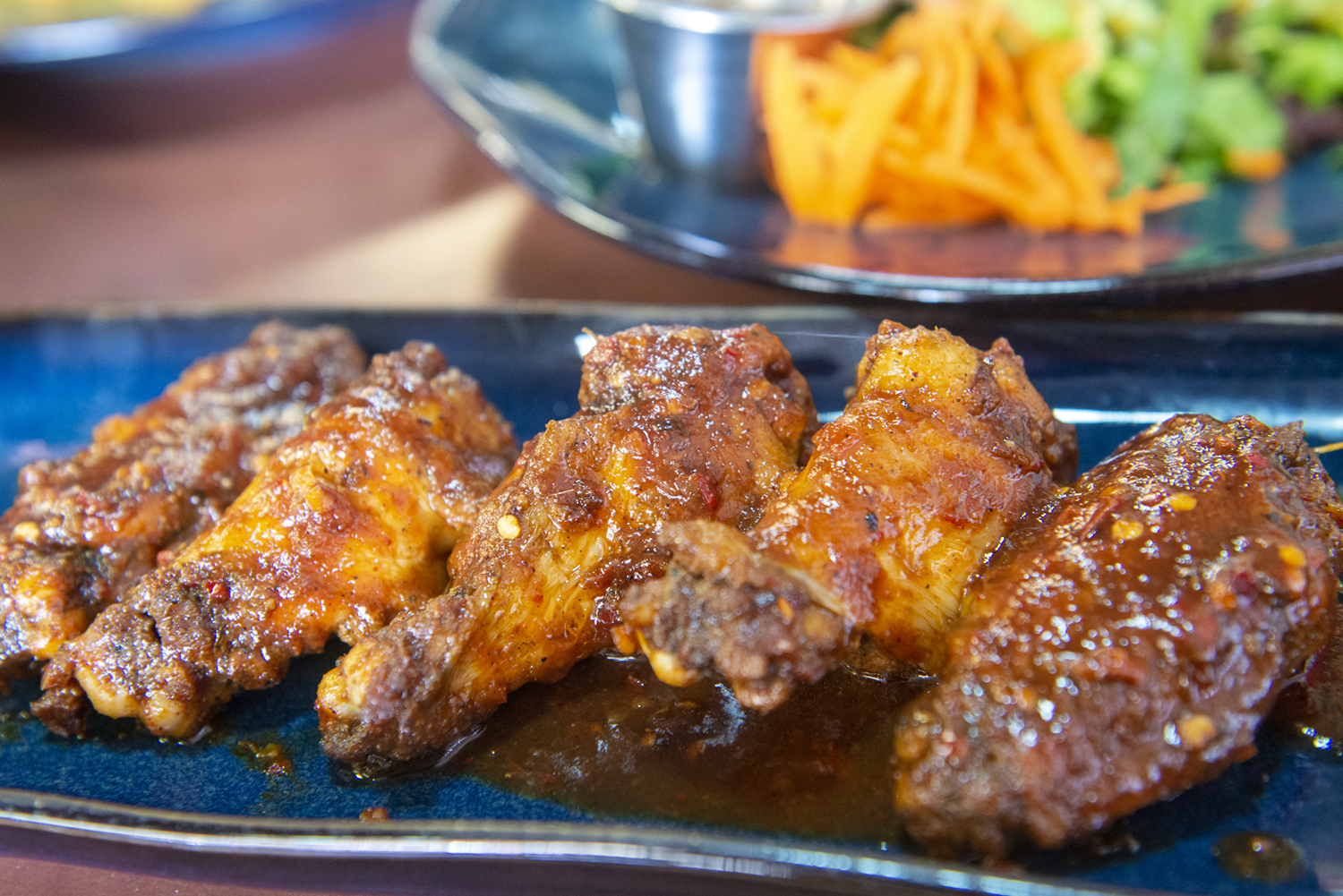
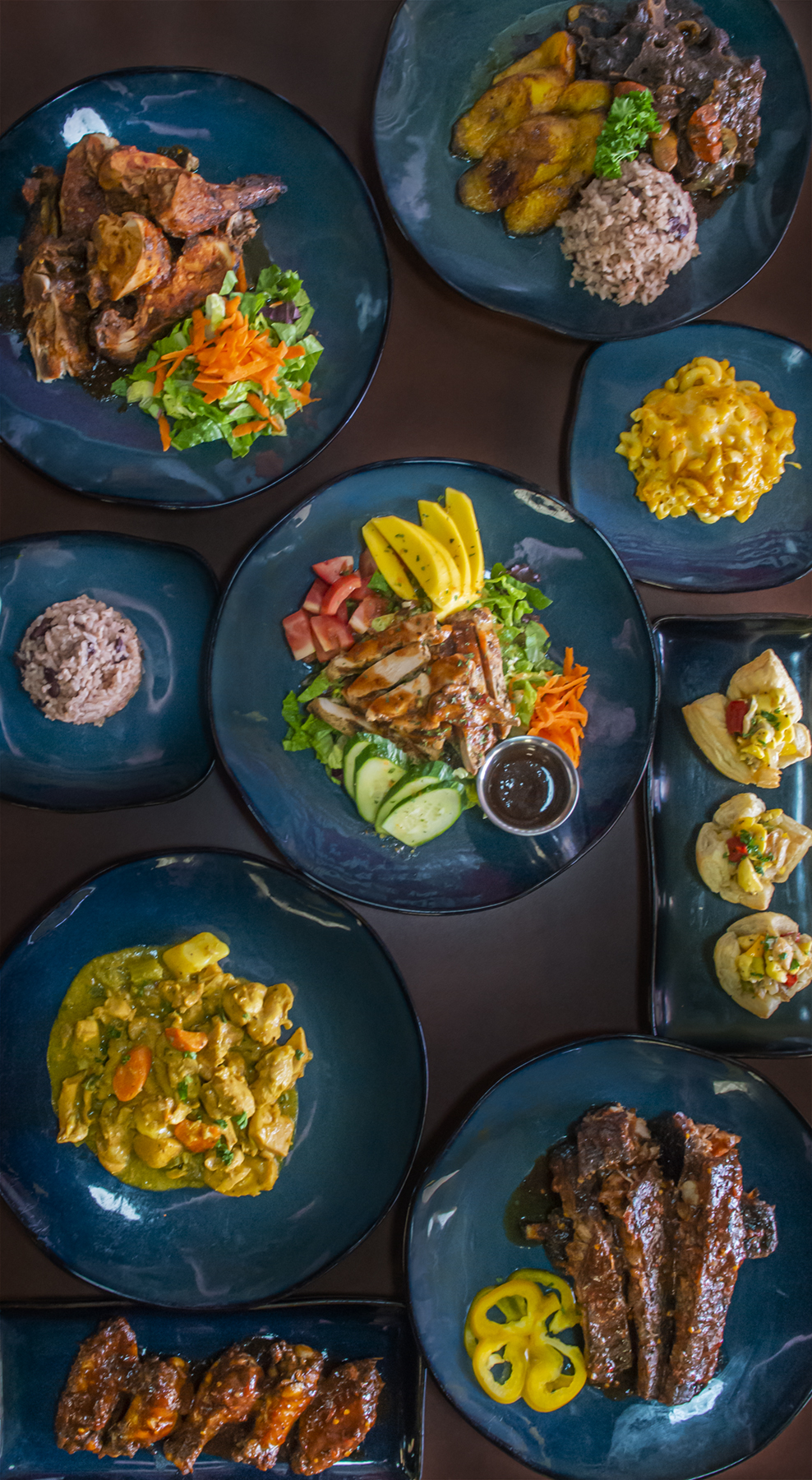
Denver has become a city https://rowangkpi509.fairmontdigest.com/posts/discover-authentic-jamaican-food-in-denver-today where serious eaters can chase almost any craving, from handmade dumplings to slow-smoked barbecue to regional Mexican specialties that reward repeat visits. Jamaican food deserves a place in that conversation. When it is done well, it delivers exactly what many diners want but do not always realize they are looking for: deep seasoning, slow cooking, smoke, heat, sweetness, tenderness, and enough contrast on one plate to keep every bite interesting.
If you have been searching for jamaican food denver, you are probably after more than a quick lunch. You want a meal with personality. You want jerk chicken with a proper char, not just a sprinkle of spice. You want oxtail that collapses under a fork. You want rice and peas that taste like they came from a real pot, not a steam table afterthought. Denver may not have the largest Caribbean food scene in the country, but the places that do it right can leave a lasting impression.
The appeal is immediate, but the cuisine has depth beyond the first hit of spice. Jamaican cooking is built on technique, layering, and patience. A good plate carries the logic of time. Meat is marinated long enough to absorb aromatics. Braises go until connective tissue turns silky. Sauces are reduced instead of rushed. Side dishes are not filler. Even the condiments matter. Once you understand what makes the food tick, it becomes much easier to order well and appreciate why the best Jamaican meals in Denver can feel so satisfying.
What makes Jamaican food stand out
People often reduce Jamaican cooking to “spicy food,” and that misses the point. Heat matters, especially from Scotch bonnet peppers, but the cuisine is really about balance. Allspice, thyme, scallion, garlic, ginger, onion, cinnamon, clove, and nutmeg show up in ways that feel assertive without becoming muddy. Sugar has a role. Smoke has a role. Acidity has a role. The best dishes carry a savory backbone and then widen into something warmer, sweeter, sharper, or hotter depending on the preparation.
Jerk is the obvious entry point, and for good reason. Proper jerk should not taste one-dimensional. You should get fragrance before heat, and char before sweetness fully registers. When the meat is grilled or smoked well, those edges matter as much as the marinade. Too many places anywhere in the United States treat jerk as a sauce style. It is closer to a full cooking method and flavor profile, and you can tell the difference on first bite.
Then there are the braised dishes, which are often the true test of a kitchen. Oxtail, curry goat, brown stew chicken, and sometimes escovitch fish all reveal whether a restaurant understands texture and seasoning from the inside out. Oxtail should taste concentrated and rich without being greasy. Curry goat should be earthy and tender, with spice woven into the meat rather than sitting on top of it. Brown stew chicken should feel homestyle in the best sense, with gravy you want to drag through every grain of rice.
Side dishes are where a lot of diners discover how complete the cuisine really is. Rice and peas, typically made with kidney beans and coconut milk, can be subtly aromatic and almost comforting enough to eat alone. Fried plantains add sweetness and softness. Cabbage, whether steamed or sautéed, offers freshness and bite. Festival, the lightly sweet fried dough often served alongside savory meats, adds another contrast altogether. A plate that looks simple at first glance can end up giving you six or seven distinct textures and flavors.
Why Jamaican food works so well in Denver
Denver diners tend to appreciate bold food. This is a city that responds to char, spice, smoke, and hearty portions, especially when there is enough nuance behind the intensity. Jamaican cooking fits that preference naturally. It can be robust enough for someone who loves barbecue and still intricate enough for someone who pays attention to seasoning detail.
There is also something about the climate that makes these meals land especially well. A warm plate of curry goat or oxtail on a cold evening feels obvious. What surprises people is how well jerk chicken, patties, and fruit-forward drinks work in dry summer weather too. Jamaican food has range. It can satisfy the appetite you bring to comfort food, while still tasting vivid and bright.
Denver’s restaurant culture also rewards places that offer a point of view. The most memorable local spots are rarely trying to please everyone. Jamaican restaurants tend to know what they are, and that confidence comes through in the food. Menus often stay focused. Signature dishes matter. Recipes feel protected rather than endlessly modified to chase trends. As a diner, that can be refreshing.
The dishes worth knowing before you order
A first visit goes better when you have a rough sense of what different dishes are trying to do. That does not mean you need a study guide. It just helps to understand that “spicy” can mean very different things, and that some preparations are richer, smokier, or sweeter than others.
Jerk chicken is usually the safest place to begin, but safe should not be confused with boring. When made properly, it is one of the great grilled chicken dishes anywhere. The seasoning should penetrate. The surface should show dark caramelization and some blackened edges. The meat should stay juicy. If the plate comes with sauce, use it selectively at first. A good jerk chicken should already speak for itself.
Oxtail is often the dish that wins over people who think they only want chicken. It is richer, more luxurious, and almost always more expensive because it takes time and labor. A good version has glossy gravy, tender meat, and enough body in the sauce to coat rice beautifully. If a restaurant is known for its oxtail, it is usually worth the splurge.
Curry goat sits in a different lane. It is less sweet than brown stew chicken and often more earthy and aromatic. Done right, it has depth without heaviness. The goat should be tender, not stringy. The curry should taste integrated, not dusty or harsh.
Beef patties make a smart starting point or snack. Think of them as one of the most appealing savory hand pies in casual dining. The crust should be flaky and lightly tinted with turmeric. The filling should be seasoned and moist. Some places offer coco bread on the side, turning the patty into a kind of sandwich that is especially good if you want something quick and portable.
If seafood is on the menu, escovitch fish can be a standout. The preparation often combines crisp fried fish with a sharp, pickled topping of onions, peppers, and carrots. It has crunch, acid, heat, and richness all at once. It is the kind of dish that makes you slow down because each bite changes depending on how much topping you get.
How to tell when a Jamaican restaurant is doing things right
Not every plate needs to be perfect to make a place worth visiting, but there are reliable signs that separate a memorable meal from a generic one. These details matter more than decor or trendiness.
- The aroma hits before the food reaches the table, especially thyme, allspice, smoke, and slow-cooked gravy.
- Rice and peas taste seasoned on their own and are not just there to fill space.
- Jerk shows real char and complexity rather than tasting like bottled sweet heat.
- Braised meats are tender without falling into mush.
- The sides feel intentional, with cabbage, plantains, festival, or sauces adding contrast.
Those cues are useful because Jamaican food can look straightforward while hiding a lot of technical skill. A restaurant might not have a glossy dining room or a giant menu, yet still serve a better meal than a flashier competitor. In this category, flavor usually tells the truth quickly.
Ordering with confidence, especially on your first visit
The easiest mistake is trying to sample too widely without understanding portion size. Jamaican plates are often generous, and many of the richest dishes are best enjoyed with some restraint and the right sides. If you are dining with another person, sharing two mains can be a smart approach. One grilled or jerk item plus one braised dish gives you a good sense of the kitchen’s range.
If you are spice cautious, it helps to ask whether the heat is cooked into the dish or served on the side. Some places keep their food relatively moderate and offer hot sauce separately. Others build a fair amount of heat into the preparation itself. A professional kitchen will usually guide you honestly if you ask plainly.
For a first meal, this combination rarely disappoints:
- One jerk chicken plate
- One braised option such as oxtail or curry goat
- Rice and peas
- Plantains or cabbage
- A patty if you want a starter or something to take home
That kind of order gives you a strong baseline without overwhelming the table. You get smoke, gravy, starch, sweetness, and a side that freshens the meal. It is also a practical way to decide what you will crave next time, because there is almost always a next time once the food clicks.
What to expect from flavor, portion size, and value
Jamaican food is rarely shy. Portions tend to be substantial, especially for lunch and combination plates. That matters in Denver, where diners often expect enough food to justify the trip across town, parking, and the cost of eating out. A well-run Jamaican restaurant usually meets that expectation comfortably.
Value is not just about how much meat is piled onto the plate. It is about whether the whole meal feels composed. A modest-looking box of jerk chicken with excellent rice and peas, properly cooked cabbage, and a house sauce can be a better use of money than a larger but sloppier dish. Oxtail in particular can seem expensive at first glance, but that dish reflects real cooking time and rising ingredient cost. When it is done well, the price makes sense.
Beverages and desserts also deserve attention. Sorrel, ginger beer, and fruit juices can round out the meal beautifully. Dessert offerings vary, but rum cake and sweet potato pudding are worth trying when available. They bring the same direct, generous sensibility as the savory food, often with warm spice notes that echo the meal.
The atmosphere often tells a story too
One of the pleasures of seeking out jamaican food denver is that the dining experience often feels more personal than polished. Many of the best meals come from places where the room is casual, the service is direct, and regulars clearly know what they came for. That can be a good sign. Restaurants rooted in family recipes or a close-knit community tend to build loyalty dish by dish rather than through marketing.
You may notice that people order with confidence and little hesitation. That is useful data. If several tables are eating the same item, pay attention. If the kitchen sells out of a few things late in the day, that is not necessarily poor planning. In slow-cooked cuisines, it can simply mean the restaurant made a finite batch and people showed up for it.
There is also a certain generosity in the way many Jamaican spots feed people. You feel it in the packed takeout containers, the extra sauce, the suggestion from the counter that one side goes better with another. Good service in these places is often practical rather than theatrical. You are being pointed toward the meal that will satisfy you most, not walked through a scripted upsell.
Jamaican food beyond the obvious favorites
A lot of diners stay with jerk chicken, patties, and oxtail, which is understandable, but there is more to explore. Ackee and saltfish, where available, offers a distinct savory profile that can be revelatory if you have never tried it. Callaloo brings a softer, greener note to the table. Stew peas, often richer and more comforting than first-timers expect, can be deeply satisfying on a cold day.
Soups also deserve more respect than they usually get. Caribbean soups can eat like full meals, especially when they include dumplings, root vegetables, or substantial cuts of meat. If a restaurant offers soup only on certain days, ask about it. Daily specials in this cuisine are often where the kitchen gets to show its most personal side.
Breakfast can be another overlooked window into the food. Saltfish, fried dumplings, porridge, and callaloo may not look like a typical Denver morning meal, but they can be exactly right if you want something savory, substantial, and genuinely different from standard brunch fare.
Common misconceptions that keep people from trying it
Some diners assume Jamaican food is always extremely spicy. It is not. It can be hot, of course, but many dishes are more aromatic than fiery. Others think every plate will feel heavy. Some are rich, especially braises, but balanced sides and sharper preparations like escovitch keep the cuisine from becoming monotonous.
Another misconception is that the menu will be too unfamiliar. In reality, Jamaican food has many natural bridges for American diners. If you like grilled chicken, stewed meats, flaky pastries, rice dishes, pickled vegetables, or barbecue flavors, you already have a way in. The food is distinctive, but it is not inaccessible.
There is also a tendency to treat Caribbean cuisines as interchangeable. They are not. Jamaican food has its own seasoning patterns, signature ingredients, and cooking traditions. Lumping everything together under “island food” does a disservice to the specificity that makes these meals memorable.
Making the most of takeout and leftovers
Jamaican food often travels better than people expect. Braised dishes can improve slightly after resting, and rice-based plates tend to reheat well if handled with care. Jerk chicken keeps more of its appeal if you reheat it gently rather than blasting it until the exterior turns tough. A covered pan or a low oven works better than aggressive microwaving, though convenience wins sometimes.
Leftovers also give you a second chance to appreciate the details. The spices in curry goat can feel even more integrated the next day. Oxtail gravy settles into the rice and becomes almost better. A leftover patty reheated in the oven can make an excellent late lunch. If you are ordering for a household, choosing one grilled dish and one braised dish often gives you the best next-day options too.
Why this cuisine earns repeat visits
The first meal can hook you with intensity, but repeat visits happen because the food keeps revealing small strengths. Maybe it is the way the cabbage cuts through richness. Maybe it is the subtle sweetness in the plantains. Maybe it is the char on the chicken skin or the perfume of thyme in the gravy. Jamaican cooking rewards appetite, but it also rewards attention.
That is what makes the search for great jamaican food denver worthwhile. You are not just looking for “something spicy” or “something different.” You are looking for food with structure, memory, and confidence. The best Jamaican meals feel generous without being sloppy, bold without being crude, and comforting without becoming predictable.
Denver diners have become more adventurous and more exacting over the years, which is good news for cuisines that depend on craft. Jamaican food holds up under scrutiny. It has too much character to fade into the background. Once you find a restaurant that respects the fundamentals, marination, smoke, braising, seasoning, and the often overlooked importance of sides, you stop thinking of it as a novelty and start treating it like a staple.
Your next favorite meal may not arrive with fanfare. It may come in a humble takeout box, heavy in the hand, fragrant before the lid is fully open. Inside, there is a piece of charred jerk chicken, a mound of rice and peas carrying coconut and spice, sweet plantains, maybe a spoonful of cabbage, maybe a cup of gravy you did not know you needed. One bite in, and the logic of the cuisine becomes obvious. It is built to satisfy, and when Denver gets it right, it is hard to want anything else.
Reggae Pot Jamaican Grill
Address: 2243 S Monaco St Pkwy #104, Denver, CO 80222
Phone number: +17204102956
FAQ About Jamaican Food Denver
What is typical Jamaican food?
Typical Jamaican food features bold, vibrant flavors created by blending African, Taino, European, and Asian influences.
What is a famous Jamaican dish?
Ackee and saltfish is Jamaica's national dish, made by sautéing the soft local ackee fruit with salted cod, onions, tomatoes, and spicy Scotch bonnet peppers.
What food is most popular in Jamaica?
The most popular and famous food in Jamaica is Jerk Chicken, celebrated worldwide for its smoky, spicy flavor.