Entry · Ref F8PSGNL4
The Secret Sauce Behind Great Drunken Noodles
- Posted
- 2026-09-25
- Last amended
- 2026-09-25
- Account
- @griffinimhw969
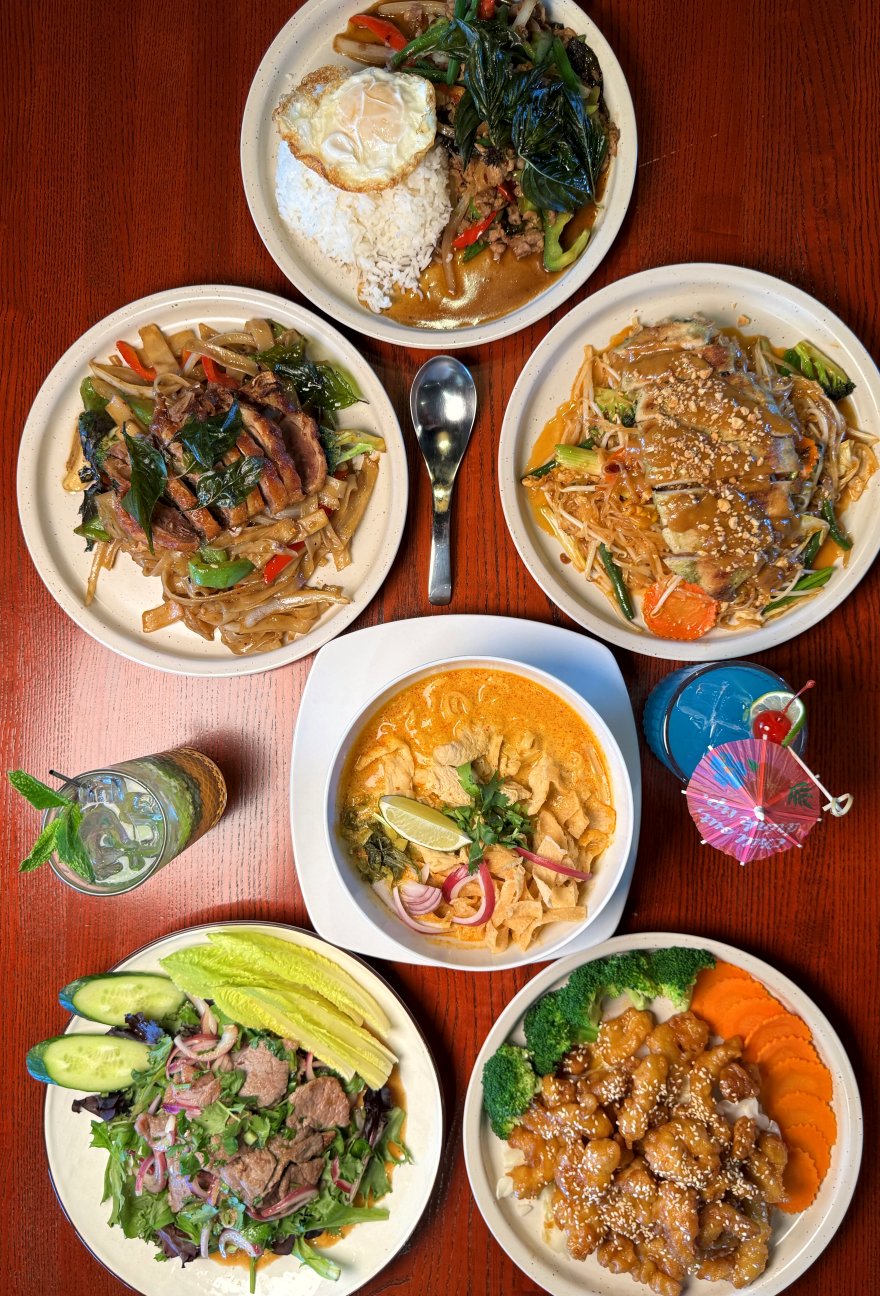
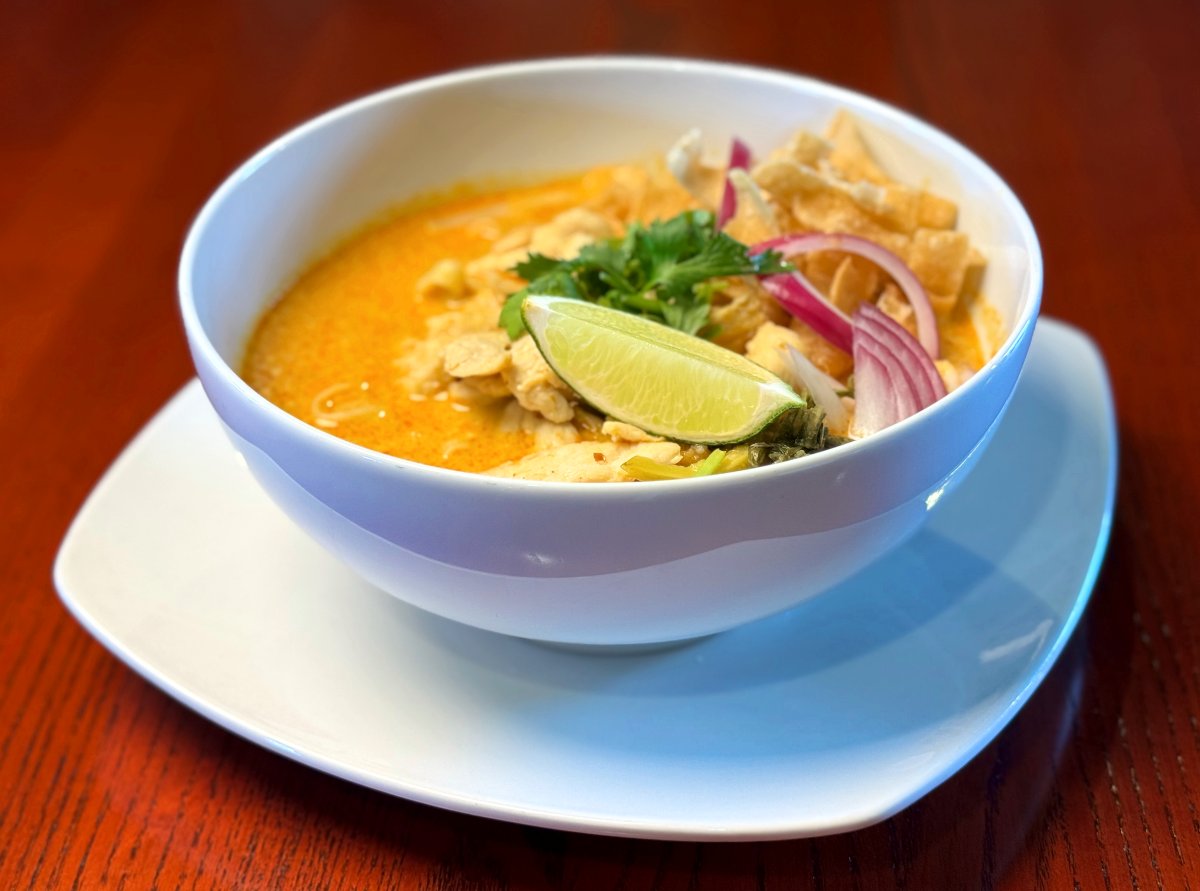
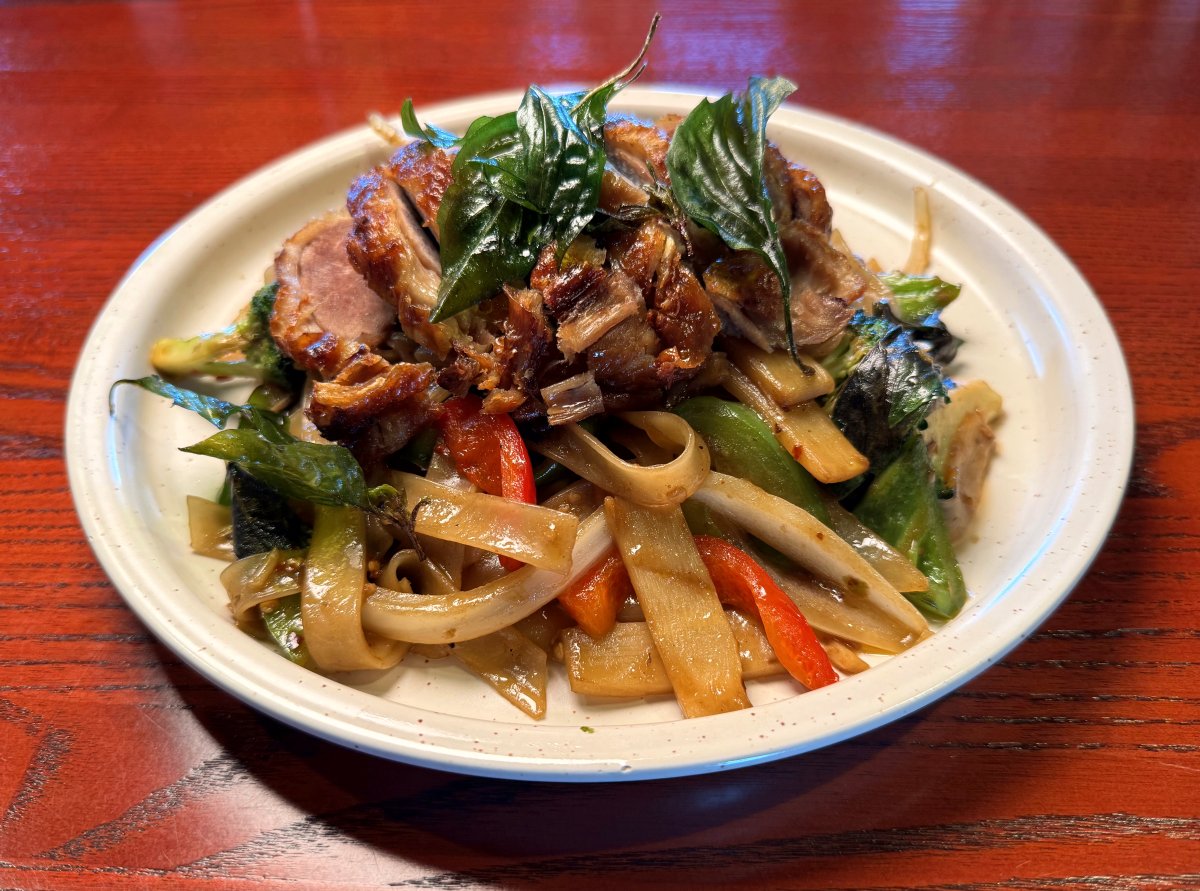
Drunken Noodles look unruly on the plate, and that is part of their charm. Wide rice noodles curl into each other, glossy with sauce, tangled with basil, chilies, onion, and whatever protein the cook has chosen for the pan. The aroma hits first: soy, garlic, a faint sweetness, a little smoke. Then comes the heat, not always aggressive, but lively enough to wake up every other flavor. When the dish is done well, it tastes bigger than the ingredient list suggests. When it is done poorly, it collapses into a salty, gummy pile that feels more like a missed opportunity than a meal.
That gap between mediocre and memorable is where the real craft lives.
People often assume the secret lies in a single ingredient, some special bottled sauce or hidden seasoning. It rarely does. Great Drunken Noodles come from a chain of decisions that all support each other: the noodle itself, the heat of the wok or pan, the balance of salty and sweet, the timing of aromatics, the treatment of vegetables, the final handful of basil, and the willingness to move fast without rushing. The best versions feel spontaneous, but they are built on discipline.
What Drunken Noodles are really supposed to be
The name draws curiosity, but the dish earns loyalty through texture and balance. In many Thai restaurants, Drunken Noodles refers to pad kee mao, a stir-fried noodle dish known for broad rice noodles, fresh chili, garlic, holy basil or Thai basil, and a dark, savory sauce. It is often described as spicy, but spice alone does not define it. What matters more is movement across the palate: deep savoriness, a touch of sweetness, vegetal freshness, and a roasted quality from intense heat.
One of the most common mistakes is treating Drunken Noodles like a generic spicy noodle plate. That approach usually leads to overloading the pan with sauce, sugar, or chili flakes until the dish becomes blunt. Good pad kee mao should have edges. You should taste the noodle, the char, the basil, the garlic, and the sauce in distinct waves. It is not meant to be polished and delicate. It is meant to be vivid.
There is also a practical truth that restaurant cooks learn quickly: this dish rewards confidence more than fussiness. You do not coax it gently for twenty minutes. You prep carefully, then cook decisively for a few hot minutes. The energy of the dish comes from that burst of action.
The noodle is not a neutral canvas
If the noodle is wrong, the rest of the dish spends its time trying to compensate.
Wide rice noodles are ideal because they can carry sauce without disappearing under it. They also develop contrasting textures in the pan. A good noodle has soft pliability at the center and slight resistance at the edges. Fresh rice noodles, the kind sold in folded sheets or broad ribbons, often produce the best result because they stay tender and absorb flavor without breaking apart too quickly. Dried noodles can still work, but they require more judgment. Over-soak them and they turn fragile. Under-soak them and they remain chalky in the middle.
A lot of home cooks think sticking means failure. With Drunken Noodles, a little sticking early on is not always a problem. It can actually encourage caramelization, provided the pan is hot and the cook moves quickly enough to loosen the noodles before they tear. What you want to avoid is steaming. Once the noodles sit in excess moisture, they swell, soften too far, and lose their spring.
There is also the matter of portion size. Wide rice noodles need room. In restaurant kitchens, cooks rely on massive heat and enough pan surface to evaporate moisture instantly. At home, if you try to cook four portions in one skillet, the noodles suffocate each other. The result is pale, wet, and dull. Two portions is usually the upper limit for most household pans if you want proper browning.
Heat is the engine
The phrase "wok hei" gets used too casually, but the underlying idea matters here. Drunken Noodles need heat that does more than cook. It needs to concentrate, char, and sharpen. This is why so many home versions taste flat even when the ingredient list is technically correct. The sauce is there. The basil is there. The chilies are there. What is missing is combustion.
A restaurant burner can push a wok far beyond what a home stove can manage, so it helps to adjust expectations. You may not replicate the exact smoky edge of a street-side or restaurant version, but you can still build a strong approximation if you treat heat as a scarce resource. Preheat the pan longer than feels necessary. Dry your ingredients well. Keep the sauce measured and ready. Work in batches if needed. Every second spent hunting for a bottle while garlic burns is a second stolen from the dish.
One cook I know, who spent years on a Thai line in Los Angeles, used to say that Drunken Noodles punish hesitation. He was right. The sequence is short, and once it starts, the pan does not wait for you. Aromatics go in, then protein, then vegetables, then noodles, then sauce, then basil, and the whole pan should be off the heat before the basil loses its perfume.
Sauce is balance, not volume
This is where the title question really comes into focus. The secret sauce behind great Drunken Noodles is not only the literal sauce. It is the logic behind it.
A proper sauce for Drunken Noodles usually draws from dark soy sauce for color and slight molasses depth, light soy or a seasoning sauce for salt, oyster sauce for body, and a touch of sugar to round the edges. Fish sauce may appear in some versions, especially where extra salinity and funk are welcome. The proportions vary from cook to cook, and that variation is part of the dish’s personality. Still, the best sauces share one trait: they are concentrated enough to cling, but restrained enough to leave room for the basil, chilies, and char.
Many disappointing versions make the same error. They pour in too much liquid. The noodles then soak instead of fry, and the pan temperature drops hard. You end up with something glossy, yes, but also heavy. Sauce should coat, not pool. If you see a puddle forming at the bottom of the pan, the dish has already started moving in the wrong direction.
Sweetness is another area where judgment matters. A little sugar can pull the salty ingredients together and help the sauce gloss the noodles. Too much, and the dish shifts toward a sticky sweetness that mutes the spice and basil. Drunken Noodles are not meant to taste candied. They should taste alive.
Garlic and chilies set the tone
The opening moments of the stir-fry define everything that follows. Garlic and chili do not simply season the oil, they set the emotional register of the dish. If they barely hit the pan and remain raw, the result tastes unfinished. If they burn, bitterness spreads through the entire batch.
Fresh chilies make a visible difference here. Their sharp, green heat tastes cleaner than dried flakes, and they integrate more naturally with basil. Thai bird’s eye chilies are common for good reason. They bring direct heat without a lot of bulk. But there is no virtue in macho spice levels if the dish loses balance. In some kitchens, cooks bruise the chilies and garlic into a rough paste before frying them. That method helps distribute heat more evenly and lets the aromatics cling to the noodles instead of sitting in random slices throughout the pan.
Garlic should smell sweet and aggressive at the same time, just on the edge of browning. That smell is one of the surest signals that the pan is ready for the next ingredient. Ignore it, and the dish drifts away from you fast.
Basil is not garnish
This point is easy to miss if you are used to basil as a finishing herb scattered politely over a plate. In Drunken Noodles, basil is structural. It changes the aroma of the dish in the final moments and brings relief from the intensity of sauce and chili.
Holy basil is often considered the classic choice because of its peppery, clove-like bite. Thai basil is more common in many markets and still produces an excellent dish, though the profile shifts slightly toward sweetness and anise. Italian basil can stand in if necessary, but it changes the character enough that the result tastes more like a cousin than the real thing.
What matters most is timing. Basil should hit the hot noodles late enough to stay fragrant and vibrant, but early enough to wilt into the dish rather than sitting raw on top. That window is narrow. Thirty seconds can be the difference between aromatic and tired. If you have ever had Drunken Noodles that smelled amazing at the table, chances are the basil was handled with precision.
Vegetables should contribute bite, not bulk
Onions, bell peppers, long beans, baby corn, or broccoli often show up, depending on the kitchen. This is where personal style enters the dish, but there is a practical rule underneath the variation: vegetables should help the texture, not overload the pan.
Onion is almost always welcome because it sweetens under heat and offers a slight crunch when left just shy of fully soft. Bell pepper can work the same way. Broccoli is trickier. It can be delicious, but it needs careful handling because it sheds moisture and occupies a lot of pan space. Too much of it, and the dish starts to feel like stir-fried vegetables with noodles added as an afterthought.
The strongest versions of Drunken Noodles maintain a clear noodle-first identity. Vegetables should punctuate each bite, not dominate it.
Protein changes the rhythm of the dish
Chicken, beef, shrimp, pork, tofu, or a mix can all work. Each choice affects not only flavor but timing.
Chicken is forgiving and familiar. Thin slices cook quickly and absorb sauce well, but they can easily dry out if overcooked before the noodles go in. Beef offers richness and can stand up to intense seasoning, though it benefits from very high heat and brief contact with the pan. Shrimp bring sweetness and a briny snap, but they become rubbery fast if they linger. Tofu can be excellent, especially if pre-fried or pressed well, though it requires enough browning to avoid tasting passive next to the sauce.
Here is where experience often reveals itself. Skilled cooks do not just choose a protein for flavor. They choose it based on what their equipment can support. On a weak home stove, shrimp or tofu may outperform beef because they require less time to deliver impact. That is not compromise. That is judgment.
What great Drunken Noodles feel like in the mouth
People talk plenty about flavor, but texture is where the dish either earns admiration or not. Great Drunken Noodles feel slippery without being slimy, chewy without toughness, sauced without sogginess. There should be contrast in nearly every forkful or chopstick lift.
A useful way to think about it is as a dish built on controlled irregularity. Some noodle edges should catch more char than others. Some onion pieces should still have bite. Some basil leaves should melt into the sauce while others stay distinct. Uniformity is not the goal. In fact, perfect uniformity often signals that the dish was cooked too gently or held too long.
A strong batch usually shows these signs:
- The noodles are glossy and separate easily, but still cling lightly in places.
- The sauce tastes concentrated, not watery or sticky-sweet.
- The basil perfume rises immediately when the plate arrives.
- The heat from chilies is present early, then gives way to savoriness.
- There are little pockets of char on noodles or vegetables, not broad areas of steaming.
That combination creates the sense that the dish was cooked with force and served at the exact right moment.
Common failures, and why they happen
Most weak versions of Drunken Noodles fail in predictable ways. The noodles turn mushy because they were soaked too long, rinsed too heavily, or crowded in the pan. The sauce becomes muddy because too many condiments were layered without a clear idea of balance. The vegetables water down the stir-fry because they were added in excess or not cooked hot enough. The basil disappears because it went in too early. The whole dish tastes flat because the pan never got hot enough to reduce and caramelize.
Another frequent issue is overcompensation. When a cook realizes the first bite lacks intensity, the instinct is often to add more soy, more sugar, or more chili. But intensity and clarity are not the same thing. More sauce can make the dish louder, yet less distinct. Sometimes the better correction is less liquid and more heat. Sometimes it is fresher basil. Sometimes it is simply cooking half the amount at a time.
One chef I worked with used to taste noodles directly from the pan and ask a blunt question: does this taste cooked, or does it taste stir-fried? The distinction matters. A dish can be technically done and still lack the concentrated energy that makes Drunken Noodles memorable.
The home kitchen version, done properly
You do not need restaurant equipment to make an excellent plate, but you do need to respect the limitations of your stove. The easiest way to improve home-cooked Drunken Noodles is to reduce variables. Prep everything first. Measure the sauce in advance. Separate the noodles gently. Pat vegetables dry. Keep portions small. Once the pan is hot, commit.
For most home cooks, the process works best in a heavy skillet or carbon steel wok heated until just shy of smoking. Oil goes in, followed quickly by garlic and chili. Protein cooks first and comes out if needed. Vegetables go in briefly, then noodles and sauce. https://pastelink.net/xdnetopx The goal is not to keep the pan crowded with everything at once. The goal is to preserve heat and finish with momentum.
If you need a concise kitchen checklist, this is the one worth remembering:
- Prep every ingredient before the burner goes on.
- Cook no more than two portions per batch.
- Keep the sauce concentrated and use less than you think.
- Add basil at the very end.
- Serve immediately, because this dish fades fast.
That last point matters more than many people realize. Drunken Noodles are not a patient food. Leave them sitting for ten minutes and the noodles continue softening, the basil loses brightness, and the char grows less vivid. This is a dish that peaks almost the moment it lands on the plate.
Why restaurant Drunken Noodles often taste different
There is a reason some restaurant versions feel impossible to reproduce exactly at home. Commercial burners generate fierce heat. Cooks make the same dish over and over, which sharpens timing. Fresh rice noodles may arrive daily from local producers. Sauces are often dialed in through repetition rather than written formulas. Tiny adjustments happen instinctively: a splash more seasoning sauce because the basil is mild today, less sugar because the oyster sauce is sweeter than usual, an extra ten seconds of pan contact because the noodles are especially fresh.
That does not mean the dish is mysterious. It means it is responsive. Great cooks are not following a fixed script. They are reading ingredients, equipment, and timing in real time. That is the real secret sauce, if there is one, the ability to make quick, informed adjustments without losing the identity of the dish.
This is also why two excellent plates of Drunken Noodles can taste different from each other and both be right. One may lean darker and smokier. Another may push basil and chili forward. Another may be more savory than sweet. As long as the dish preserves its core balance and texture, variation is not a flaw. It is expression.
The dish teaches restraint as much as boldness
At first glance, Drunken Noodles seem like an exercise in excess. Big noodles, big heat, big flavor. But the cooks who make them best usually understand restraint. They know when to stop adding sauce. They know not to crowd the pan. They know basil should not be cooked to death. They know sweetness should soften the edges, not dominate the center.
That balance of boldness and restraint is what gives the dish its staying power. Anyone can make something salty and spicy. Much fewer people can make something salty, spicy, aromatic, smoky, and clean at the same time. That is the line great Drunken Noodles walk.
The next time you eat a truly excellent plate, pay attention to what lingers after the first flash of heat. You will notice the chew of the noodle, the sweetness of onion, the perfume of basil, the roasted notes from the pan, and the way the sauce gathers everything without drowning any one part. That is the secret, not hidden at all once you know where to look. It lives in the details, in the heat, in the timing, and in the cook’s judgment. A dish this loose and lively only becomes great when every small choice is made with precision.
Nakhon Luang Thai Kitchen
Address: 805 Village Center Dr, Colorado Springs, CO 80919
Phone number: +17195315175
FAQ About Drunken Noodles
What makes it drunken noodles?
Drunken noodles, or Pad Kee Mao, get their name from the Thai word khi mao (meaning "drunkard"). They contain no alcohol. The name comes from the idea that the dish is a popular late-night meal to cure a hangover or a great food to eat with a cold beer.
What is the difference between pad see ew and drunken noodles?
While both Pad See Ew and Drunken Noodles use the same wide rice noodles, Pad See Ew is a mild, sweet-savory dish made with dark soy sauce and Chinese broccoli, whereas Drunken Noodles (Pad Kee Mao) are fiery, garlicky, and herbaceous with fresh chilies and Thai basil.
What are traditional drunken noodles?
Traditional drunken noodles, known as Pad Kee Mao in Thai, are a fiery, savory street food stir-fry made with wide flat rice noodles, fresh garlic, lots of hot chilies, meat or tofu, and fragrant holy basil. Despite the name, they contain no alcohol; the dish is traditionally eaten late at night or as a hangover cure because the intense spice helps clear the head.